The Neglected Defender: Rethinking How Britain Develops Its Full-Backs

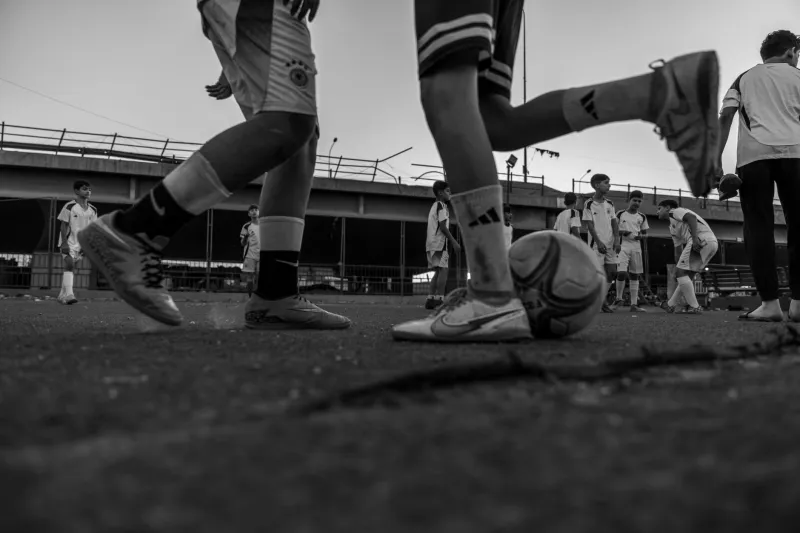
Ask any grassroots youth coach in Britain which position receives the least dedicated attention during training, and the answer is almost universally the same. Full-backs — those wide defensive players who now occupy one of football's most tactically complex roles — are routinely neglected in favour of forwards, central midfielders, and even goalkeepers. In an era where the wing-back has become a cornerstone of elite tactical systems, British youth football is producing defenders who are structurally underprepared for the demands of the modern game.
This is not a minor administrative oversight. It is a systemic failure with measurable consequences.
A Position Transformed Beyond Recognition
The full-back of 2024 bears almost no resemblance to the position as it was understood even fifteen years ago. Where once a wide defender's primary obligation was to win the ball and recycle possession, today's elite full-backs are expected to function as auxiliary wingers in possession, press intelligently without the ball, deliver quality crosses under pressure, and execute overlapping or underlapping runs with precision timing.
Players such as Trent Alexander-Arnold at Liverpool and Kieran Trippier at Newcastle United have redefined what the position can look like at its highest expression. Both are celebrated not merely for their defensive solidity but for their ability to dictate play from wide areas, functioning almost as additional midfielders when their team holds possession.
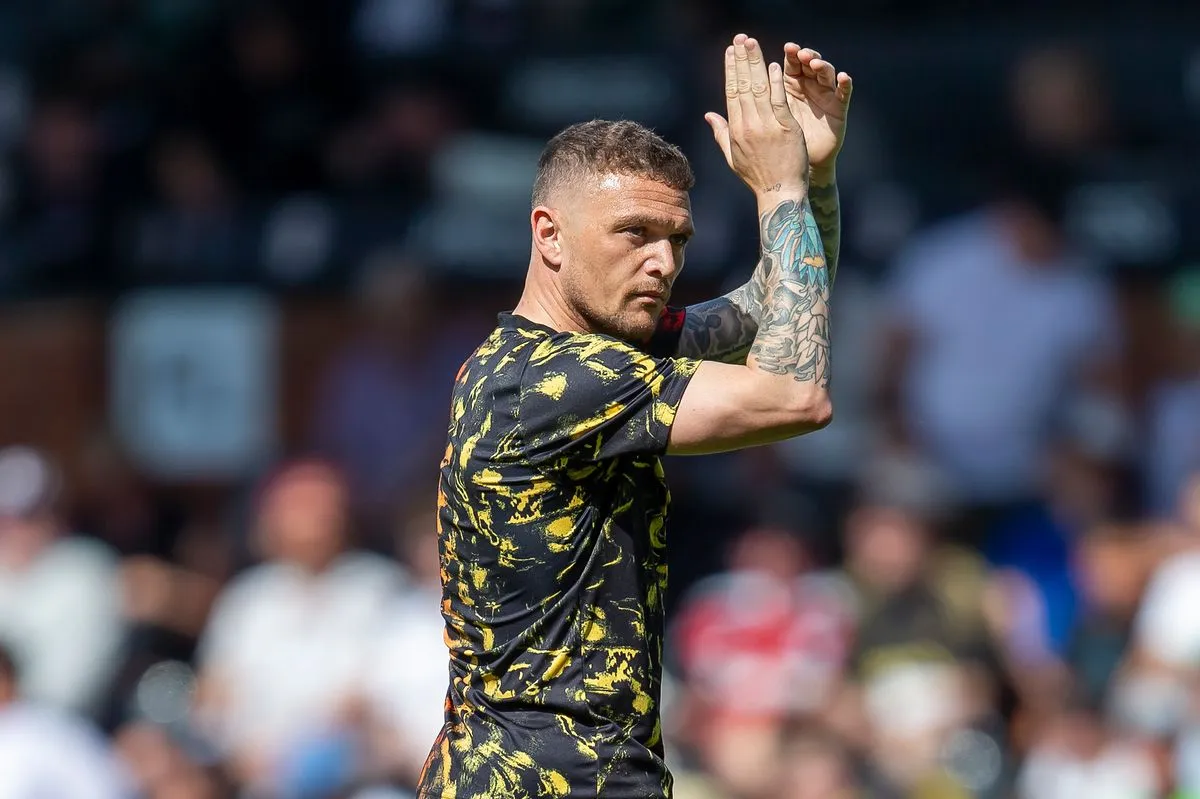 Photo: Kieran Trippier, via i2-prod.mirror.co.uk
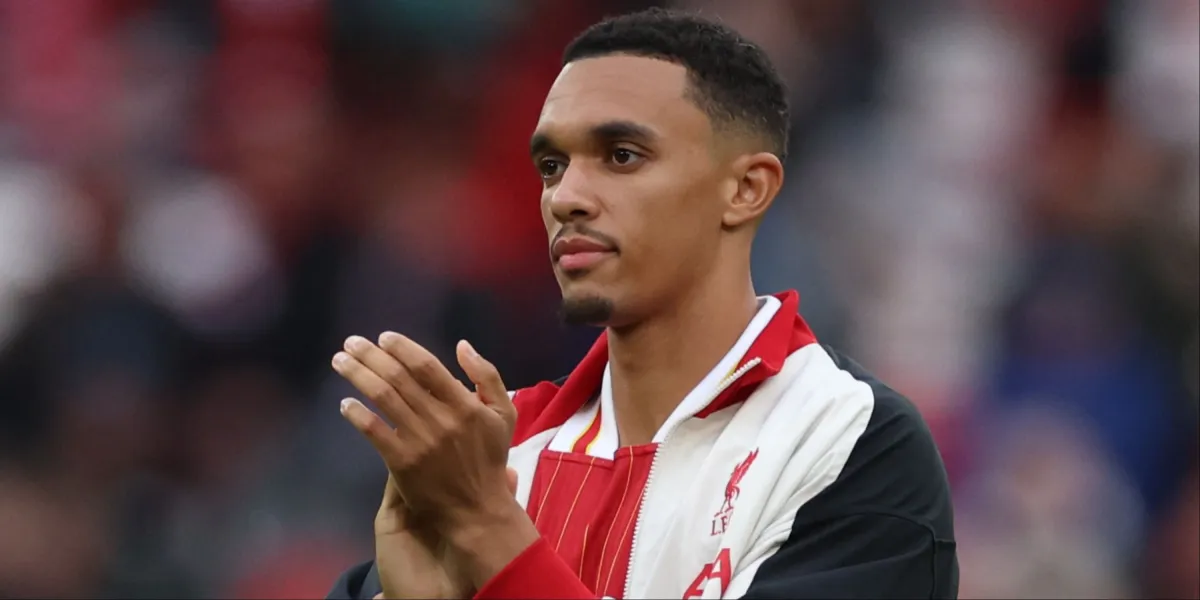 Photo: Trent Alexander-Arnold, via static0.givemesportimages.com
Yet at grassroots level across England, Scotland, and Wales, the coaching infrastructure required to develop these skills from an early age is largely absent. Young players placed at full-back are typically given rudimentary instructions — stay wide, track your winger, don't get caught in possession — with little structured guidance on the nuanced positional, technical, and tactical demands the role increasingly requires.
Why Grassroots Coaching Neglects the Wide Defender
Several interconnected factors explain why positional development for full-backs lags so significantly behind other roles at youth level.
First, there is the question of coaching bandwidth. Volunteer coaches working with Under-9 to Under-14 sides frequently lack the time, resources, and specialist knowledge to deliver position-specific sessions. General team training takes precedence, and when positional work does occur, it tends to focus on the positions most visible to spectators and parents — strikers and attacking midfielders.
Second, there is a persistent cultural assumption within British football that defending is somehow a lesser skill set; something a player either instinctively possesses or does not. This attitude discourages investment in structured defensive coaching at youth level and reinforces the notion that full-backs need only be physically capable and positionally aware to succeed.
Third, the structure of small-sided games used in younger age groups frequently renders the full-back position conceptually irrelevant. In five-a-side or seven-a-side formats, wide defensive roles dissolve into general positional fluidity, meaning young players accumulate hundreds of hours of competitive experience without ever developing a meaningful understanding of full-back-specific responsibilities.
The Academy Gap and What It Reveals
Elite academies affiliated with professional clubs have, to varying degrees, begun addressing this deficit. Certain Category One academies now employ position-specific coaches who work exclusively with defenders, incorporating video analysis, shadow play, and isolated technical drills into a structured development curriculum.
However, this investment remains concentrated at the very top of the talent pyramid. For the vast majority of young players developing through community clubs, regional leagues, and county football associations, access to equivalent coaching is simply not available. The consequence is a production line that occasionally delivers technically proficient forwards but consistently struggles to develop complete, modern full-backs capable of competing at senior professional level.
This gap does not merely affect elite prospects. It shapes the playing culture of British football at every tier, from Sunday leagues to National League sides, where full-backs frequently display the limitations of an underdeveloped positional education.
What Progressive Clubs Are Doing Differently
A small but growing number of forward-thinking community clubs are beginning to challenge this orthodoxy. Rather than treating positional development as a luxury reserved for elite environments, these clubs are embedding structured full-back coaching into their regular training cycles from Under-10 level upwards.
Practical approaches vary, but common threads are emerging. Some clubs have introduced dedicated defender sessions running parallel to forward and midfield groups, allowing young players to develop position-specific technical skills — crossing from wide areas, defensive shape in transition, one-versus-one defending — within a focused environment.
Others have begun using video footage from professional matches to introduce young full-backs to the positional concepts they will be expected to execute as they progress. Watching how Alexander-Arnold identifies and exploits space before the ball arrives, or how Trippier manages his defensive positioning when his team is out of possession, gives young players a visual framework that purely practical coaching often fails to provide.
Coaches working within these progressive structures report a marked improvement not only in defensive quality but in players' overall football intelligence. When young full-backs understand why they are being asked to perform specific movements — rather than simply being instructed to execute them — the learning curve accelerates considerably.
A Call for Structural Change
The challenge facing British youth football is not simply one of individual coaching quality. It is structural. Without a national framework that explicitly prioritises positional development for defenders at grassroots level, the talent pipeline will continue to produce technically limited full-backs who struggle to meet the demands of the contemporary game.
Football associations, regional coaching bodies, and community trusts all have a role to play in addressing this imbalance. Investment in position-specific coaching education, the creation of accessible resources for volunteer coaches, and a cultural shift in how defensive roles are valued within youth development programmes are all necessary components of a meaningful solution.
At The Shots Trust, we believe that developing tomorrow's champions requires a commitment to every position on the pitch — not merely those that attract the loudest applause. The full-back has become one of football's most dynamic and demanding roles. It is time British youth football treated it accordingly.