Rising Again: A Practical Framework for British Young Athletes Navigating the Long Road Back from Serious Injury
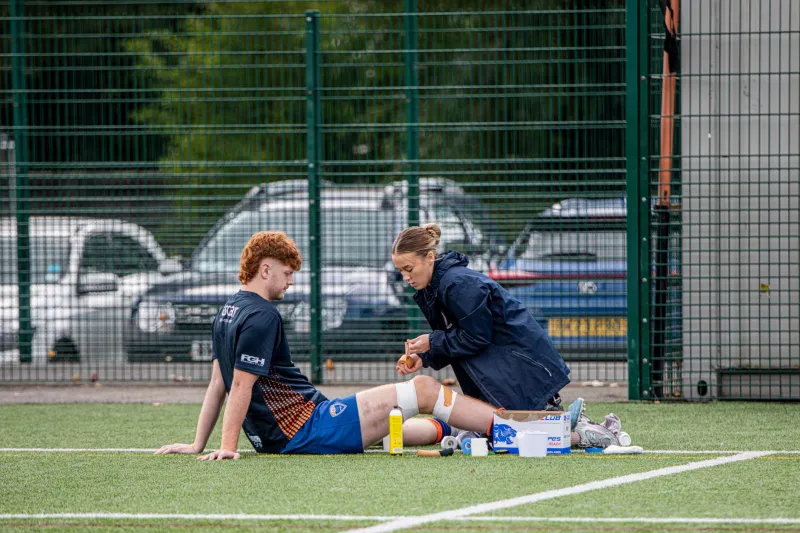
The moment a serious injury occurs, time seems to split into two distinct eras: before, and after. For a young British athlete in the midst of their development years, that division can feel absolute. The weeks and months that follow a significant diagnosis — a torn anterior cruciate ligament, a stress fracture, a shoulder dislocation requiring surgery — are among the most challenging any young person in sport will face. They are also, with the right support, among the most formative.
This is not a reassurance offered lightly. Recovery from career-threatening injury is genuinely difficult, and any framework that does not acknowledge that difficulty is not worth following. But the evidence — from sports medicine, from psychology, and from the lived experiences of athletes who have walked this road — is clear: the young people who emerge from serious injury in the best shape are not those who simply rest and rehabilitate. They are those who approach recovery as a structured, multi-dimensional process.
The First and Most Important Acknowledgement
Before anything else, a young athlete who has sustained a serious injury needs to be heard. Not advised. Not reassured. Heard.
The psychological impact of injury on young athletes is frequently underestimated by those around them. Parents, eager to help, often leap immediately into problem-solving mode — researching physiotherapists, investigating timelines, asking questions about when training can resume. Coaches, uncomfortable with vulnerability, may offer brisk encouragement that inadvertently minimises the severity of what the athlete is experiencing. Well-meaning teammates say things like "you'll be back before you know it" — which, however kindly intended, can feel dismissive to someone who is privately wondering whether they will come back at all.
The first task of recovery is emotional acknowledgement. Grief, anger, frustration, and fear are all entirely appropriate responses to the loss of something precious. Young athletes who are given permission to feel these things — rather than being encouraged to suppress them in the name of positivity — tend to navigate the subsequent stages of recovery more effectively.
Dr Priya Mehta, a clinical psychologist specialising in youth sport at a NHS trust in the East Midlands, puts it directly: "The athletes who struggle most with long-term recovery are often those who were told to stay positive from the very beginning. Genuine resilience isn't built on suppressed emotion. It's built on processed emotion."
Understanding the Identity Crisis
For many young British athletes, sport is not merely something they do — it is, in a profound sense, who they are. Their social circles, their daily routines, their sense of personal value, and their vision of their own future are all organised around their athletic identity. When injury removes the ability to participate, it does not merely create a physical gap. It creates an existential one.
This identity disruption is one of the least-discussed aspects of youth injury, yet it is among the most consequential. Athletes who experience it may withdraw from their clubs entirely — not because they no longer care, but because being present without being able to participate feels unbearable. Some disengage from education. Others develop symptoms consistent with depression and anxiety.
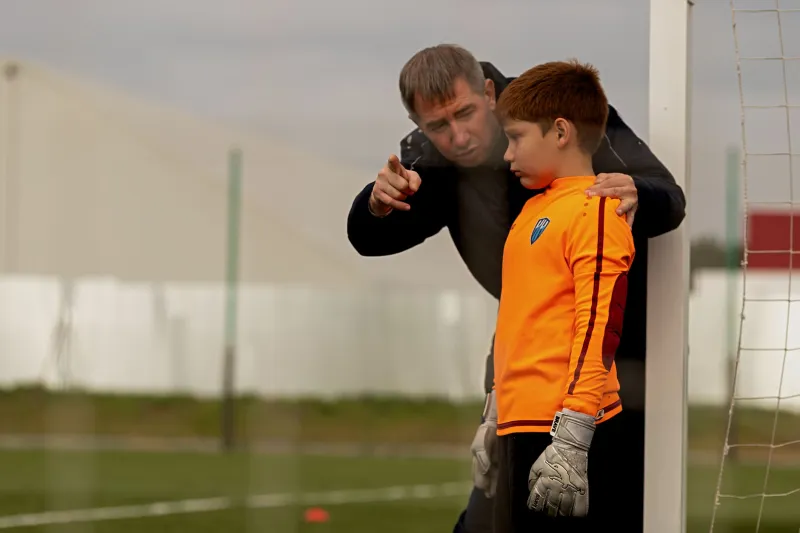
The practical implication for clubs and coaches is significant: an injured young athlete should not be allowed to drift to the periphery of the group. Maintaining meaningful connection — through attending sessions, contributing to team discussions, assisting with junior training — preserves a sense of belonging and purpose that is vital to psychological recovery.
Working Effectively with the British Medical System
Navigating injury recovery within the NHS and private healthcare landscape of Britain requires patience, advocacy, and an understanding of the pathways available. Waiting times for specialist referrals through the NHS can be substantial, and for a young athlete whose development window is finite, delays can feel devastating.
Parents and athletes should be aware of the following:
GP referrals should be sought promptly. Many families delay because they hope the injury will resolve itself. Early assessment prevents misdiagnosis and ensures that the most appropriate treatment pathway is identified without unnecessary delay.
Sports-specific physiotherapy is available, but not always obvious. Many NHS physiotherapy services are generalist in nature. Where possible, seeking referral to or independently accessing a practitioner with specific experience in youth sport injury will yield better outcomes.
Governing bodies and county sports partnerships often have resources. Organisations such as Sport England and individual national governing bodies sometimes offer support — including access to medical professionals — for young athletes who are members of affiliated clubs. These resources are frequently underutilised.
Second opinions are always appropriate. For significant injuries, particularly those involving surgical decisions, seeking the perspective of more than one specialist is entirely reasonable and should be encouraged.
Rebuilding Physical Confidence
One of the most underappreciated challenges in injury recovery is the gap between physical readiness and psychological readiness. A young athlete may be medically cleared to return to full training whilst simultaneously harbouring profound anxiety about re-injury. This fear is not irrational — it is a protective response — but when left unaddressed, it can cause athletes to hold back in ways that actually increase their injury risk and prevent them from performing at their previous level.
Gradual, progressive return-to-play protocols address the physical dimension of this challenge. The psychological dimension requires additional, targeted work. Techniques such as imagery training — in which athletes mentally rehearse successful performance in vivid detail — have strong empirical support for accelerating psychological readiness. Exposure-based approaches, in which athletes gradually re-engage with the movements or situations they fear, are also effective when delivered under appropriate professional guidance.
Real Voices, Real Recovery
Ellie, a seventeen-year-old heptathlete from Yorkshire, fractured her foot during a regional competition and faced a nine-month rehabilitation process that coincided with her GCSE year. She describes the early weeks as "the loneliest I've ever felt in sport — everyone kept telling me I'd be fine, but nobody actually asked me how I was."
Her recovery changed when her athletics club assigned a senior athlete as a mentor — someone who had experienced significant injury themselves and could offer genuine empathy rather than generic encouragement. Combined with regular sessions with a sports psychologist accessed through her county athletics association, Ellie returned to competition not merely physically healed but, in her own words, "mentally tougher than I was before it happened."
Her experience reflects a broader truth: recovery that attends to the whole person, rather than simply the injured body part, produces athletes who return not just to their previous level, but beyond it.
A Framework for Moving Forward
For athletes, parents, coaches, and medical professionals navigating the aftermath of serious youth injury, the following principles provide a sound foundation:
- Acknowledge before advising. Emotional validation is not a luxury; it is a clinical necessity.
- Maintain connection. Keep injured athletes within the social fabric of their clubs and teams.
- Pursue specialist support early. Both physiological and psychological expertise should be engaged as promptly as possible.
- Respect the gap between physical and psychological readiness. Medical clearance is a beginning, not an endpoint.
- Reframe the narrative. Recovery is not a pause in an athlete's story. It is a chapter — one that, handled well, adds depth and resilience to everything that follows.
At The Shots Trust, we are committed to ensuring that no young British athlete faces the road back from injury alone. The challenges are real. But so is the capacity to rise.