Frozen Out: Why Britain's Winter Still Decides Who Gets to Develop
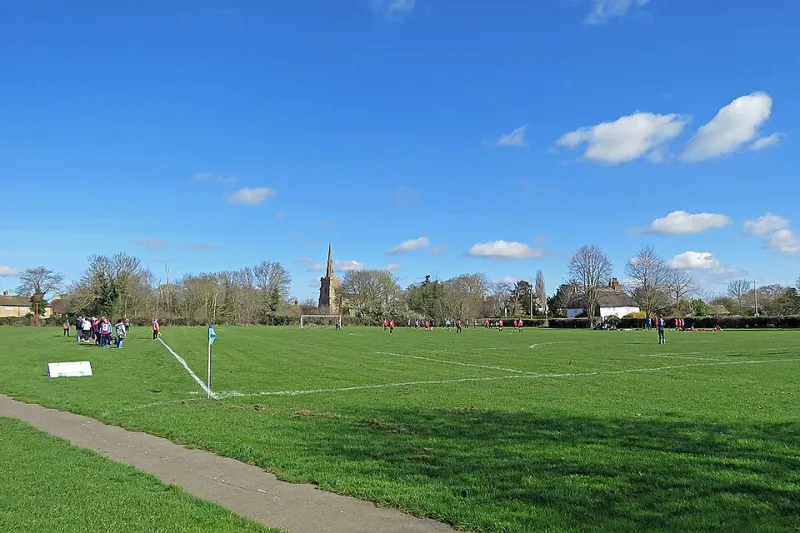
Photo: John Sutton , CC BY-SA 2.0, via Wikimedia Commons
The first hard frost of November is a familiar British sporting signal. Pitches stiffen, school fields close, and the text message goes out: training is cancelled. For a young athlete, one cancellation is disappointing. Across a winter, repeated cancellations become something more serious: a development gap that no summer programme can fully close.
Britain's winter problem is not simply weather. It is the interaction between weather, facilities, cost and planning. Clubs that rely on a dry pitch and a council-owned sports hall are vulnerable to a season that can undermine months of work.
The five-month disruption
From November to March, youth football, rugby and athletics face a familiar set of obstacles. Grass pitches become waterlogged or frozen. All-weather surfaces are in demand and expensive to hire. Sports halls are booked by schools, community groups and adult leagues. Evening light disappears, making midweek outdoor sessions difficult for younger age groups.
In some areas, council leisure budgets have reduced the maintenance and availability of facilities. In others, the problem is not a lack of pitches but a lack of suitable indoor space. A club may have access to a 3G pitch but no warm, dry area for technical work or team meetings. A coach may have a plan for the session but no guarantee that the venue will be playable.
The result is a winter of uncertainty. Coaches prepare sessions that may never happen. Parents rearrange weekends. Young athletes learn that training is provisional. The cumulative effect is a loss of rhythm at exactly the point in the season when technical habits and tactical understanding should be consolidating.
What cancellations cost
Skill retention is the most obvious casualty. A young footballer who trains twice a week from September to October may suddenly train once a fortnight in January. A sprinter who has built a base through autumn may lose access to an indoor track for weeks. Skills that were becoming automatic can regress, and confidence can follow.
There is a planning cost too. Coaches design progressive programmes that assume regular contact. When sessions are cancelled, the coach must choose between repeating old work and pushing ahead without the foundation. Neither is ideal. Volunteers who give up their evenings to plan sessions can become demoralised when those sessions are repeatedly lost.
Motivation is the quieter cost. Young athletes are often resilient, but they are also sensitive to disruption. A child who misses three weeks through cancellations may return feeling behind. A parent who has driven to an empty pitch may become less willing to commit. The winter can quietly sort the determined from the discouraged, but it does so for reasons that have little to do with talent.
Clubs doing winter differently
Some clubs are responding with a more deliberate winter strategy. Rather than treating indoor provision as a fallback, they build it into the season. A football club might run weekly futsal sessions in a sports hall, using small-sided games to develop close control, scanning and quick decision-making. An athletics club might partner with a local school to use its sports hall for strength and conditioning, mobility and technical drills.
Others are rethinking the calendar. A winter training block can focus on individual technical work, video review and physical literacy rather than full team sessions. Coaches can use classroom time to teach game understanding, recovery and nutrition. None of this replaces the pitch, but it keeps young athletes connected to the programme.
Facility partnerships matter. Clubs that book all-weather slots early, share them with neighbouring clubs, or work with local authorities and schools to access indoor space are better placed than those that wait for the weather to decide. Some leagues now schedule winter festivals and small-sided competitions that can be moved indoors at short notice. The key is to have an alternative before it is needed.
Planning for the British climate
A smarter winter programme starts with an honest audit. Which sessions are most vulnerable? Which age groups have the least indoor access? What would a realistic alternative look like if the pitch is frozen for a fortnight? Clubs should publish a winter plan, not a promise that every session will go ahead.
Coaches also need support. A volunteer coach may not have the confidence to deliver an indoor futsal session or a strength and conditioning block. Offering continuing professional development, shared session plans and a small equipment library can make a significant difference. Communication with parents is equally important. Clear cancellation policies, early notice and alternative arrangements reduce frustration and help families plan.
Britain's climate is not going to become more predictable. The answer is not to hope for a dry pitch or to accept that winter is a write-off. It is to treat the colder months as part of the development year, with the same care given to pre-season. For a trust such as The Shots Trust, that means recognising that talent is not only built in the sunshine. It is built in the sports hall, on the all-weather surface and in the club that plans for the frost before it arrives.