The Lift Home: How Family Logistics Are Quietly Selecting Britain's Young Athletes
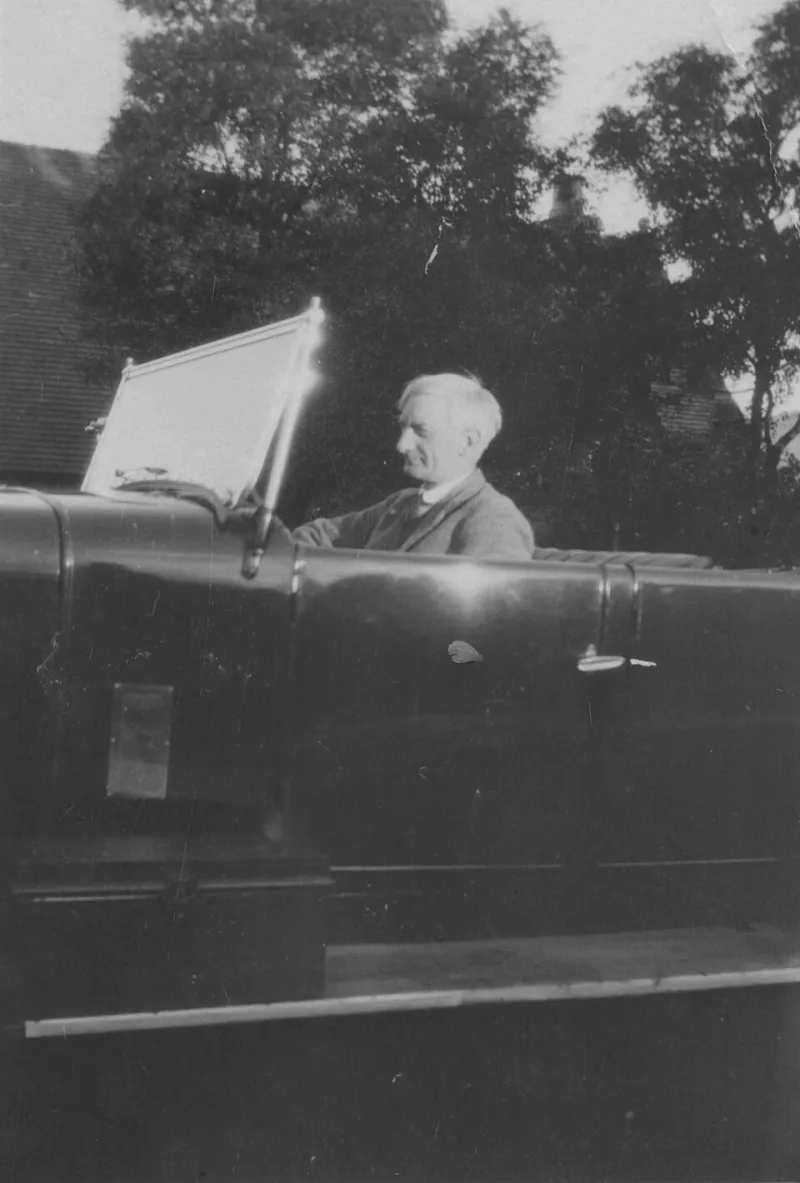
Photo: Unknown, No restrictions, via Wikimedia Commons
At 6.45am on a Sunday, a parent in a market town loads a kit bag, a water bottle and a sleepy 12-year-old into the car. The fixture is 45 minutes away in good traffic. The warm-up begins at 8.30am. By the time the match ends and the post-match debrief is over, most of the morning has gone. The following weekend may bring athletics, a county trial or a training session at a facility that is only available because someone is willing to drive there.
British youth sport runs on this unpaid labour. Coaches plan sessions, clubs organise fixtures and governing bodies publish pathways, but the daily logistics are held together by families. The Sunday shuttle is not a side issue. It is part of the selection system.
The hidden timetable
The visible costs of youth sport are usually subscriptions, kit and match fees. The hidden costs are time, fuel, parking, food, siblings and missed work. A weekly training session that requires a 30-minute drive each way consumes an hour of travel before the session even begins. A fixture that requires an hour and a half each way can take most of a day. For families with more than one child, the timetable can become a jigsaw that no club ever sees.
In rural areas, the problem is sharper. Public transport may not connect a village to the nearest sports facility, and evening services may not exist at all. In cities, traffic and parking can turn a short distance into a long journey, while safety concerns may limit how far a young person can travel alone. The result is that access to sport often depends on a household with a car, a flexible working pattern and another adult who can manage the rest of the family.
The cost is not only financial, though finance matters. Fuel, train fares, café stops and replacement boots add up. A club that charges modest fees can still create a significant monthly outlay once travel is included. For some families, the choice is not between sport and television. It is between sport and a shift, a sibling's activity or a weekly shop.
Who drops out
The young people most likely to be affected are not necessarily the least talented. They are the ones whose families cannot absorb the logistics. A single parent working weekends may struggle to cover an away fixture. A family without a car may find that the nearest training venue is effectively out of reach. A child from a low-income household may be able to afford the subscription but not the weekly travel, the extra hoodie or the post-match meal that everyone else seems to buy.
Clubs often assume a level of parental availability that no longer reflects ordinary working life. Shift patterns, zero-hours contracts and long commutes mean that the parent who would happily help may simply be unable to do so. When a child misses sessions, the club may read it as a lack of commitment. In reality, the barrier may be a lift that nobody could provide.
This matters for development because consistency is not a luxury. Young athletes build skill through repeated exposure, relationships with coaches and a sense of belonging. A player who attends irregularly because of transport may be judged as less dedicated, even when the effort required to get there is greater than that of a peer who lives next to the ground.
Club-level fixes that actually help
There are practical responses, and they do not all require large budgets. The first is to audit the real travel burden of the programme. A club can map where its young members live, how they travel and which sessions are hardest to reach. That information should inform scheduling, not simply confirm assumptions.
A second step is to cluster fixtures and training where possible. Friendly matches against nearby clubs, shared training blocks and local festivals can reduce the number of long journeys. Governing bodies and leagues can support this by thinking about geography when they draft calendars, rather than treating travel as an unavoidable by-product.
A third step is a formal lift-share scheme, managed with safeguarding in mind. This is not simply a WhatsApp group. Clubs should have clear expectations, consent processes and a named contact. A minibus or community transport partnership can help where volunteer drivers are scarce. Travel bursaries, subsidised kit and transparent hardship funds can also remove the smaller costs that tip a family from coping to struggling.
Finally, clubs can communicate earlier and more clearly. Late fixture changes are more than an administrative annoyance. They can make a family's week impossible to plan. A calendar published well in advance, with realistic arrival times and clear information about facilities, is a basic form of respect.
A shared responsibility
The Sunday shuttle is often described as a parental duty. It is better understood as a hidden subsidy. Families are funding youth sport with unpaid time, and the system is selecting in their image. If Britain wants to develop tomorrow's champions from a wider pool, it must reduce the dependence on a parent with a car and a free afternoon. Clubs cannot solve every transport problem, but they can stop pretending that logistics are neutral. The lift home is part of the pathway, and it is time to plan for it.