Earned, Not Given: The Trust Foundations That Separate Britain's Great Youth Coaches from the Rest
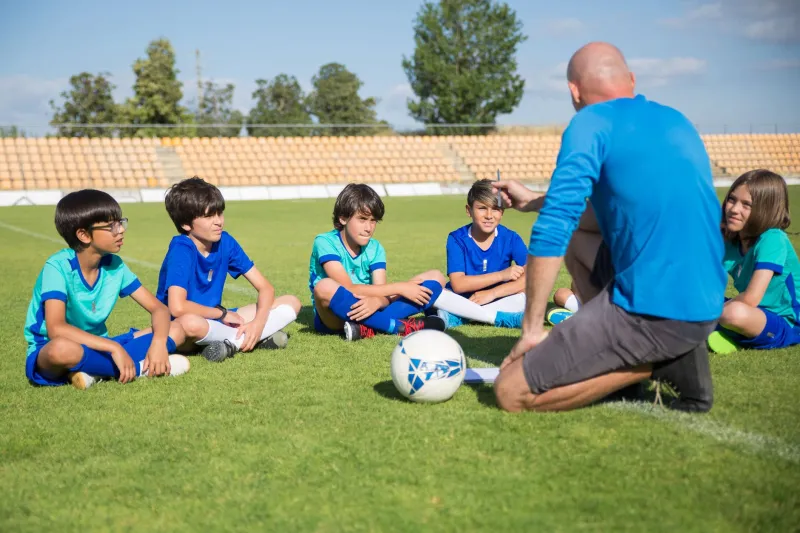
In youth sport, we spend considerable time debating tactics, training loads, and talent identification. We invest in GPS vests, video analysis software, and sports science consultants. What we discuss far less openly is something altogether more human: whether a young athlete genuinely trusts the adult standing on the touchline.
That omission, according to a growing body of sports psychology research and the testimonies of coaches and former academy players across Britain, may be costing us more than we realise.
The Silent Compact at the Heart of Coaching
Dr. Rachel Osei, a sports psychologist who has worked with youth programmes across the Midlands and the South East, describes the coach-athlete relationship as an "unspoken agreement" that is renegotiated constantly throughout a season.
"Young people are extraordinarily perceptive," she explains. "They notice when a coach says one thing in a team meeting and then behaves differently on the training pitch. They notice when praise feels performative rather than genuine. The moment that disconnect registers, something shifts — and it is very difficult to recover."
This dynamic is particularly acute in British youth sport, where cultural norms around emotional restraint can make honest communication between coaches and players especially fraught. Many coaches, trained in an era when authority was assumed rather than cultivated, find themselves ill-equipped to navigate the expectations of a generation of young athletes who respond far better to transparency than hierarchy.
What Trust Actually Looks Like in Practice
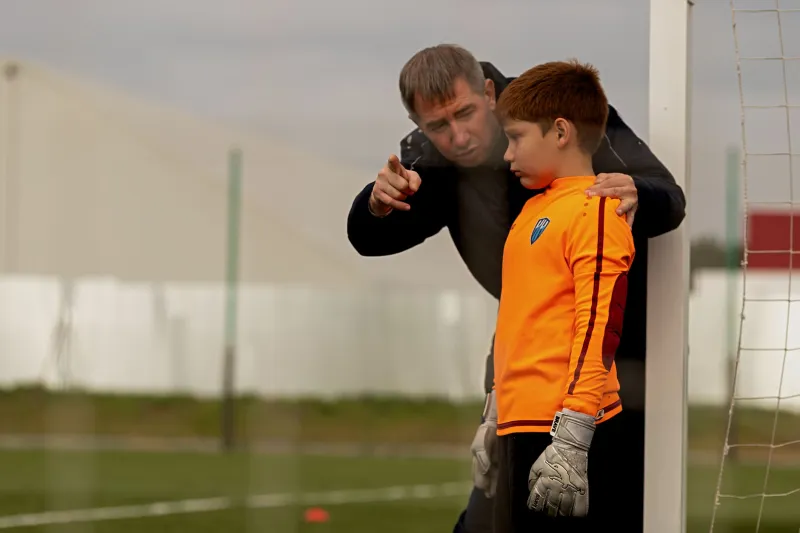
For Jamie Thornton, now 22 and playing semi-professionally in the Northern Premier League, the moment his relationship with a youth coach broke down came not during a difficult defeat, but in a quiet conversation after training.
"He told me I was in contention for a starting place. The next week I wasn't even on the bench, and he never explained why. No conversation, no feedback. Just silence. After that, I stopped believing anything he said to me."
Thornton's experience is far from unique. Across Britain's academy and grassroots systems, the failure to communicate honestly — and consistently — emerges repeatedly as the primary reason young athletes disengage, both from their clubs and, in some cases, from the sport entirely.
By contrast, coaches who retain the loyalty and commitment of their players over multiple seasons tend to share several identifiable characteristics. They are consistent in their standards, applying the same expectations to every player regardless of ability or status. They are transparent in their decision-making, offering explanations rather than edicts. And they demonstrate what psychologists call "genuine care" — an interest in the athlete as a person, not merely a performance unit.
The Science Beneath the Relationship
The psychological underpinning of effective coach-athlete trust draws on attachment theory, self-determination theory, and research into motivational climates. When athletes feel psychologically safe — when they believe that mistakes will be treated as learning opportunities rather than grounds for public humiliation — they are demonstrably more willing to take the creative risks that drive genuine skill development.
Conversely, environments characterised by fear of failure, arbitrary decision-making, or emotional volatility from coaches produce athletes who play conservatively, hide weaknesses, and ultimately plateau. The technical ceiling of a young player, in other words, is partly determined by the emotional environment their coach creates.
"We talk about mastery climates versus performance climates," says Dr. Osei. "In a mastery climate, effort and improvement are celebrated. In a performance climate, only results matter. The research is consistent: mastery climates produce more resilient, more adaptable, and ultimately more successful athletes over time."
When Trust Breaks Down
Perhaps the most instructive cases are those where trust collapses and coaches attempt to rebuild it. Marcus Webb, who has managed youth teams at non-league level in Yorkshire for over a decade, describes a pivotal season in which a run of poor results led him to become increasingly critical and emotionally reactive on the touchline.
"I could see the boys shutting down in front of me. Training became flat. Nobody was taking risks. I had to have a very honest conversation with myself about what I was creating."
What followed was a deliberate process of repair. Webb arranged individual conversations with each player, acknowledged that his behaviour had not been helpful, and asked them directly what they needed from him as a coach. The response, he says, was both humbling and illuminating.
"They didn't want a soft touch. They wanted honesty. They wanted to know where they stood. What they couldn't cope with was unpredictability. Once I became more consistent — in my mood, my feedback, my decisions — the whole group responded."
Building Trust as a Coaching Discipline
The implications for British youth coaching are significant. Trust is not a byproduct of winning, nor is it something that arrives automatically with experience or authority. It is a skill — one that can be taught, practised, and refined.
Practical steps that emerge consistently from both research and practitioner experience include: following through on every commitment, however small; delivering critical feedback privately and constructively; acknowledging mistakes openly rather than deflecting; and creating regular opportunities for athletes to express concerns without fear of consequence.
Coaching education in Britain has begun to incorporate relationship-centred approaches, though progress remains uneven. Many experienced coaches still regard psychological considerations as secondary to tactical and technical knowledge — a hierarchy that the evidence increasingly challenges.
The Long View
The athletes who remain in sport into adulthood, who continue to develop long after the academy conveyor belt has moved on, are disproportionately those who experienced at least one coaching relationship built on genuine trust. That is not a romantic observation — it is a pattern that emerges from the data and from the lived experience of practitioners across Britain's sporting landscape.
At The Shots Trust, we believe that developing tomorrow's champions requires far more than superior training methodology. It requires coaches who understand that their most important tool is not a tactical board or a fitness programme — it is the relationship they build, one honest conversation at a time.
The contract between a coach and a young athlete may be unwritten, but its terms are felt deeply by everyone involved. Those who honour it consistently are not merely better coaches. They are the reason young people stay in the game.