The Silent Statistics
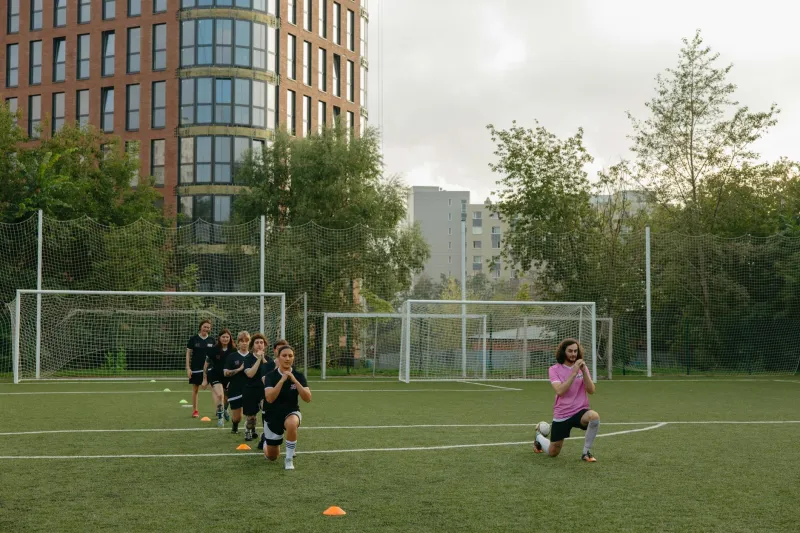
Across Britain's playing fields and sports halls, a quiet crisis unfolds each September. While boys continue flooding into changing rooms and onto pitches, their female counterparts increasingly retreat to the sidelines. By age sixteen, participation rates amongst British girls have plummeted by nearly 60% compared to their peak at age eleven, according to Sport England's latest Active Lives survey.
This dramatic decline represents more than mere statistics—it signals the loss of a generation of potential athletes, coaches, and sporting ambassadors. For youth development organisations committed to nurturing tomorrow's champions, understanding the complex web of factors driving this exodus has become paramount.
The Perfect Storm of Pressures
The transition from childhood to adolescence presents unique challenges for young female athletes. Unlike their male counterparts, who often experience increased social capital through sporting achievement, girls frequently encounter conflicting messages about femininity, physicality, and competitive success.
"The pressure to conform to certain ideals intensifies dramatically around age fourteen," explains Dr. Sarah Mitchell, a sports psychologist who has worked extensively with youth development programmes across the Midlands. "Girls begin questioning whether being strong, competitive, or physically dominant aligns with social expectations."
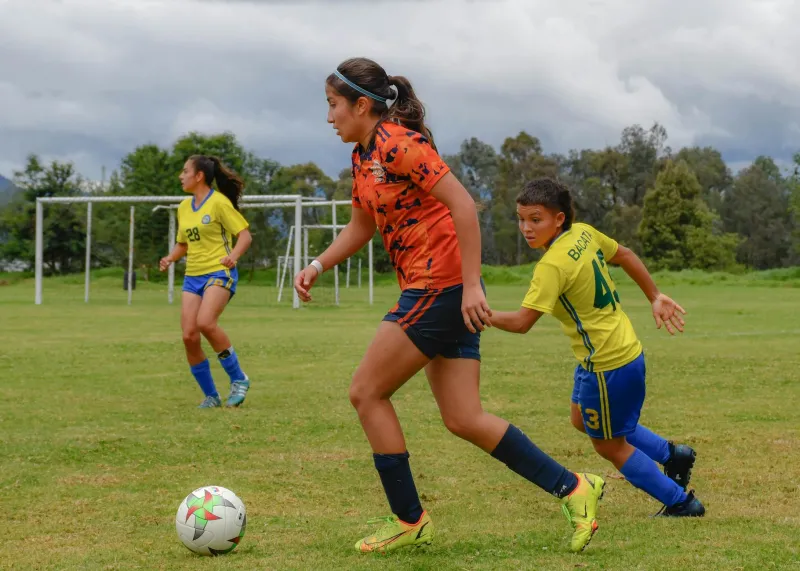
This internal conflict manifests differently across various sports. In traditionally 'feminine' activities like gymnastics or dance, the pressure centres on aesthetic perfection and maintaining increasingly unrealistic body standards. Conversely, in team sports such as football or rugby, girls often grapple with perceptions that physical aggression contradicts expected gender norms.
The Coaching Conundrum
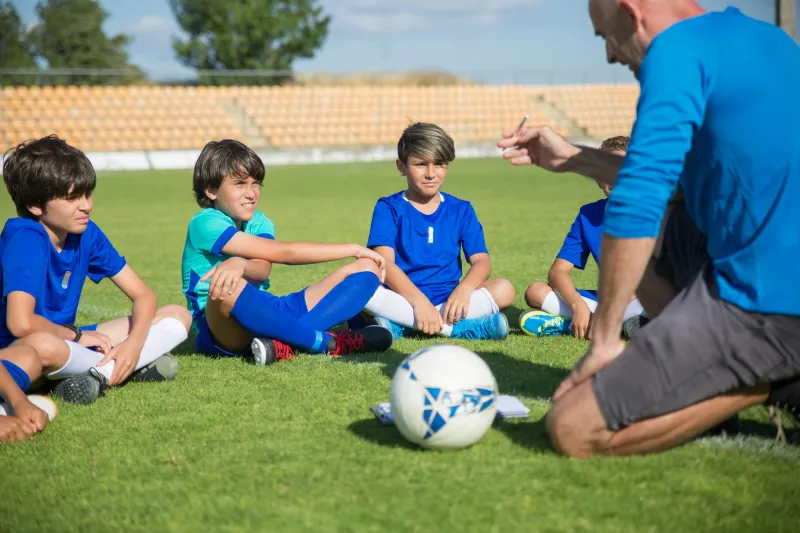
The shortage of female coaching role models compounds these challenges significantly. Across grassroots football alone, women comprise fewer than 15% of qualified coaches, creating environments where young girls struggle to envision long-term involvement in sport.
"When girls look at the touchline and see only male faces, they unconsciously absorb the message that sport isn't really 'for them' beyond childhood," observes Emma Thompson, head of youth development at Hertfordshire County FA. "Representation matters enormously during these formative years."
This absence of female mentorship extends beyond mere visibility. Research indicates that male coaches, despite their expertise and dedication, often struggle to address the specific psychological and social pressures facing teenage girls. Issues surrounding body image, peer pressure, and identity formation require nuanced understanding that comes naturally to those who have navigated similar experiences.
School Sport's Double-Edged Sword
The structure of British secondary education inadvertently accelerates female dropout rates. The transition from primary school's inclusive, play-based approach to secondary education's increasingly competitive, performance-focused model alienates many girls who previously enjoyed physical activity.
"GCSE PE becomes about elite performance rather than participation," notes James Harrison, a secondary school PE coordinator in Manchester. "Girls who were enthusiastic at eleven suddenly feel inadequate compared to their more naturally gifted peers."
This shift coincides with other academic pressures, as girls often prioritise traditional subjects perceived as more valuable for university admission. The cultural narrative that positions sport as less academically rigorous particularly affects high-achieving female students, who may view continued athletic participation as incompatible with scholarly success.
Breaking the Cycle: Success Stories from the Grassroots
Despite these systemic challenges, several British clubs and organisations have successfully bucked the trend through innovative approaches to female youth development.
Brighton & Hove Albion's community trust has pioneered a "confidence-first" coaching philosophy specifically designed for teenage girls. Rather than focusing solely on technical development, their programmes emphasise personal growth, leadership skills, and peer support networks.
"We've learned that keeping girls engaged requires addressing the whole person, not just the athlete," explains community trust manager Lisa Davies. "Our retention rates have improved by 40% since implementing this holistic approach."
Similarly, Leicester City's women's development programme has introduced mentorship schemes pairing teenage players with successful female athletes from various professions. This initiative demonstrates that sporting involvement can complement, rather than compete with, academic and career aspirations.
The Path Forward: A Blueprint for Change
Reversing Britain's female dropout crisis requires coordinated action across multiple levels. Grassroots organisations must prioritise recruiting and developing female coaches, whilst schools need to reconsider how PE programmes serve different learning styles and motivations.
Crucially, the messaging around female sport participation must evolve. Rather than positioning athletics as separate from academic achievement or personal development, successful programmes frame sport as complementary to broader life goals.
"The clubs retaining girls are those that understand sport as character development, not just physical training," observes Dr. Mitchell. "They're creating environments where being strong, competitive, and ambitious is celebrated rather than questioned."
Investing in Tomorrow's Leaders
The stakes extend far beyond individual participation rates. Today's teenage girls represent tomorrow's coaches, officials, administrators, and role models. Losing them from sport at sixteen means forfeiting decades of potential leadership and inspiration.
For youth development organisations committed to nurturing future champions, addressing female dropout rates isn't merely about equality—it's about maximising talent pools and creating sustainable sporting ecosystems.
The solutions exist within Britain's sporting community. Implementation requires courage to challenge traditional approaches and commitment to understanding the unique pressures facing young female athletes. Only through such dedicated effort can we ensure that sport truly develops tomorrow's champions—regardless of gender.
The whistle needn't stop at sixteen. With proper support, understanding, and innovative coaching approaches, Britain's girls can continue their sporting journeys well into adulthood, carrying the values and experiences that shape champions both on and off the pitch.