The Silent Emergency
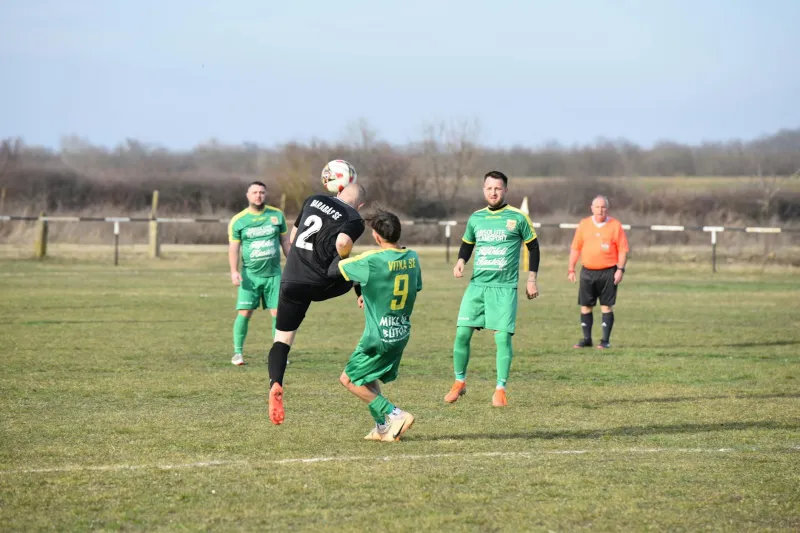
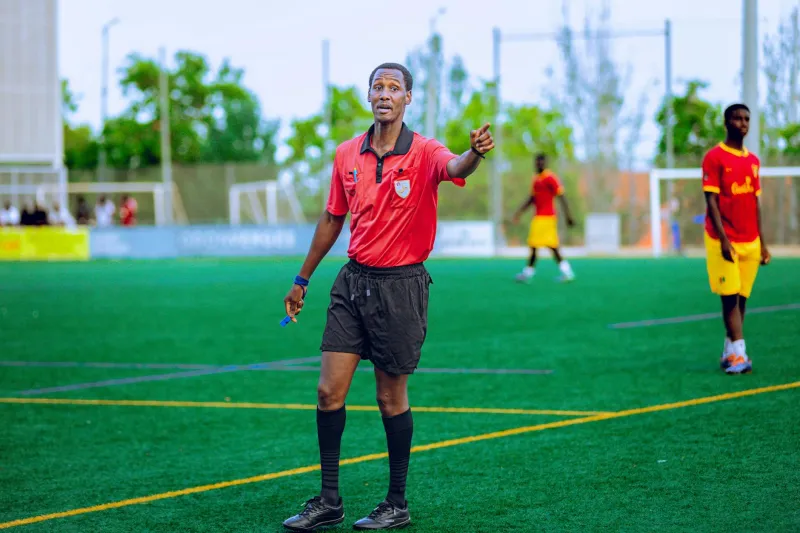
Every Saturday morning across Britain, a quiet crisis unfolds on playing fields from Cornwall to the Highlands. While parents gather on touchlines and young athletes prepare for kick-off, club secretaries frantically work their phones, desperately seeking that most precious commodity in grassroots sport: a qualified referee.
The numbers paint a stark picture. The Football Association reports a 15% decline in registered referees over the past three years, with youth football bearing the brunt of this exodus. In rugby, the situation is equally dire, with the Rugby Football Union acknowledging that referee recruitment has failed to keep pace with the growing demand from youth leagues.
"We've reached a tipping point," explains Sarah Mitchell, development officer for the Surrey County FA. "Clubs are having to merge fixtures, postpone matches, or rely on untrained volunteers just to get games played. It's unsustainable."
The Human Cost
Behind these statistics lie personal stories of dedicated officials driven from the sport they love. James Harrison, a 34-year-old PE teacher from Manchester, refereed youth matches for seven years before hanging up his whistle last season.
"The final straw came during an Under-16 match," Harrison recalls. "A parent followed me to my car, screaming abuse about a penalty decision. His son watched the whole thing. What message does that send about respect and sportsmanship?"
Harrison's experience reflects a broader pattern of intimidation that has become endemic in youth sport. Research by the NSPCC found that 68% of young referees have experienced verbal abuse from spectators, while 23% report feeling unsafe during matches.
The psychological impact extends beyond match days. Many officials describe the constant stress of knowing that every decision will be scrutinised and criticised, often by adults who should be role models for the young athletes they're meant to support.
The Ripple Effect
The referee shortage creates a domino effect that threatens the entire youth development ecosystem. Fewer matches mean reduced playing time for young athletes, disrupted league schedules, and frustrated clubs struggling to provide consistent competitive opportunities.
Dr Emma Thompson, a sports development researcher at Loughborough University, warns of long-term consequences: "Regular competitive play is crucial for youth development. When fixtures are cancelled or postponed, we're not just disrupting schedules – we're limiting opportunities for skill development, tactical understanding, and psychological growth."
Some clubs have resorted to desperate measures. In Yorkshire, three grassroots football clubs now share a single qualified referee between them, rotating match responsibilities and accepting that some age groups simply cannot play competitive fixtures.
Seeds of Change
Despite the challenges, innovative programmes across Britain are beginning to address the crisis. The FA's 'Respect' campaign has evolved beyond simple awareness-raising to include practical interventions: designated safe zones for officials, mandatory behaviour agreements for spectators, and enhanced support networks for new referees.
In Wales, the Football Association of Wales has pioneered a mentoring scheme that pairs experienced officials with newcomers, providing emotional support alongside technical training. Early results suggest this approach significantly improves retention rates among young referees.
"It's about changing the culture," explains Mark Davies, the FAW's referee development manager. "We need to move from a blame culture to a learning culture, where mistakes are seen as part of the development process for both players and officials."
Technology as an Ally
Several pilot programmes are exploring how technology can support officiating development. Video analysis tools, once the preserve of professional football, are being adapted for grassroots use, allowing referees to review their decisions and learn from experienced mentors.
The Somerset FA has introduced body cameras for referees in problem fixtures, with remarkable results. Reports of spectator abuse have dropped by 40% since the programme's introduction, suggesting that accountability works both ways.
Building Tomorrow's Officials
The most promising initiatives focus on early engagement with potential referees. Several county FAs now offer refereeing modules as part of school sports programmes, introducing young people to officiating alongside traditional playing opportunities.
"We need to normalise refereeing as part of sporting education," argues Lisa Chen, youth development coordinator for the London FA. "Every young athlete should understand the laws of their sport and experience what it's like to make decisions under pressure."
Some clubs have introduced 'referee pathways' that encourage retiring players to transition into officiating roles, maintaining their connection to the sport while developing new skills.
The Way Forward
Solving Britain's referee crisis requires a coordinated response from governing bodies, clubs, and the wider sporting community. This means investing in better training programmes, creating safer environments for officials, and fundamentally changing how we view the role of referees in youth sport.
The stakes could not be higher. Without sufficient officials, the competitive structure that underpins youth development begins to crumble. The young athletes who represent Britain's sporting future deserve better than cancelled matches and compromised development opportunities.
As one veteran referee put it: "We're not just officiating matches – we're protecting the future of sport itself. It's time everyone understood that responsibility."