Redefining the Off-Season
Across Britain's sporting landscape, a curious phenomenon occurs each July. As school terms end and organised training programmes pause, thousands of talented young athletes effectively disappear from structured development for eight weeks. They emerge in September having lost fitness, forgotten tactical concepts, and fallen behind peers who approached summer with strategic intent.
This cultural acceptance of summer as 'time off' represents one of British youth sport's greatest missed opportunities. Leading development experts argue that the transition months between school years offer unparalleled potential for athletic transformation – if approached with purpose rather than passivity.
"Summer isn't a break from development," explains Dr James Morrison, head of youth performance at the English Institute of Sport. "It's when the most significant development can occur, precisely because it exists outside normal constraints."
The Science of Seasonal Periodisation
Professional sports have long understood that different phases of the year serve different developmental purposes. Summer's extended timeframe allows for adaptations impossible during the compressed school term schedule.
Physiologically, young athletes can undergo significant changes during sustained training blocks. Eight weeks of purposeful development can improve aerobic capacity by 15-20%, enhance movement patterns, and build strength foundations that support performance throughout the following year.
Dr Sarah Collins, a sports scientist specialising in youth development, notes: "The summer window allows for progressive overload that simply isn't possible during term time. We can build training loads gradually and recover properly – luxuries unavailable during the school year."
The Multi-Sport Advantage
Contrary to the specialisation trend dominating youth sport, summer offers the perfect opportunity to embrace athletic diversity. Research consistently shows that multi-sport participation during adolescence predicts long-term success better than early specialisation.
Tennis coach Mark Stevens, who has guided several players to professional level, advocates strongly for summer sport sampling: "I actively encourage my players to try cricket, athletics, even martial arts during summer. The movement skills they develop transfer directly back to tennis, but more importantly, they return mentally refreshed."
This approach addresses one of youth sport's hidden epidemics: burnout from excessive focus on single activities. The variety inherent in summer programmes provides psychological relief while maintaining physical development.
Structured Flexibility: The Art of Purposeful Planning
Successful summer development requires what experts term 'structured flexibility' – clear objectives delivered through varied, engaging methods. This isn't about replicating term-time intensity, but rather creating sustainable progression that feels like play.
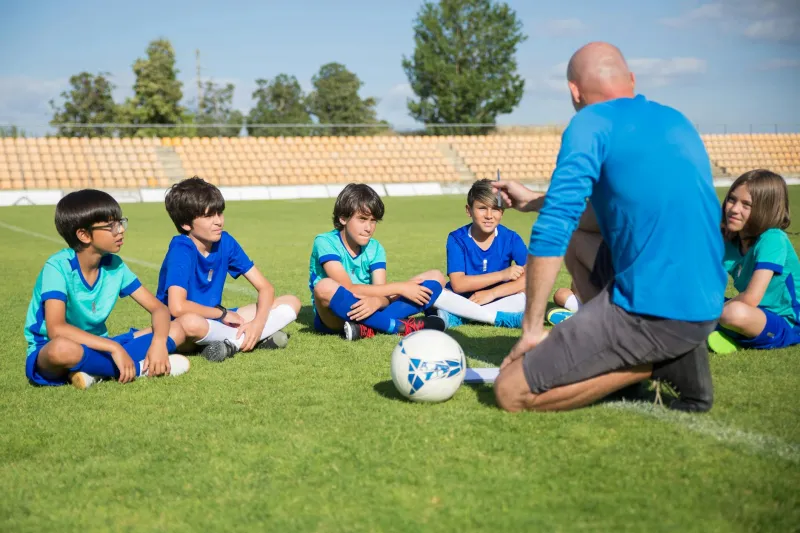
Liam Thompson, academy director at a Premier League club, describes their summer philosophy: "We give our players specific targets – improved first touch, stronger weak foot, better heading technique – but allow them to achieve these through small-sided games, skill challenges, even playground football. The learning happens naturally."
This approach recognises that young athletes need both structure and autonomy. Overly rigid programmes risk recreating the pressure they're meant to escape, while complete freedom often leads to regression.
The Physical Literacy Window
Summer's relaxed timeline makes it ideal for addressing fundamental movement skills often neglected during competitive seasons. This includes balance, coordination, agility, and spatial awareness – the building blocks of all athletic performance.
Movement specialist Dr Emma Watson explains: "During the season, we're often so focused on sport-specific skills that we miss opportunities to develop basic human movement patterns. Summer allows us to go back to basics and build more robust athletes."
This might involve gymnastics sessions to improve spatial awareness, swimming for shoulder stability, or athletics training to develop running mechanics. These investments pay dividends when sport-specific training resumes.
Mental Reset and Resilience Building
Beyond physical development, summer offers unique opportunities for psychological growth. The reduced pressure environment allows young athletes to experiment, fail safely, and rebuild confidence away from competitive scrutiny.
Sports psychologist Dr Helen Foster notes: "Summer is when we can address mental barriers that might be too risky to tackle during competition season. Athletes can work on fear of failure, perfectionism, or confidence issues without immediate performance pressure."
This includes introducing mindfulness practices, goal-setting workshops, and resilience training that supports both athletic and academic performance.
The Social Dimension
Summer programmes also provide crucial social development opportunities often missing from highly structured youth sport. Mixed-age training groups, leadership responsibilities, and collaborative challenges help develop the interpersonal skills essential for team sports.
Youth development expert Sarah Mitchell observes: "Some of our most significant breakthroughs happen when older athletes mentor younger ones during summer camps. The leadership skills developed benefit everyone involved."
This social learning extends beyond sport, developing communication skills, empathy, and cultural awareness that serve athletes throughout their lives.
Technology Integration for Summer Development
Modern summer programmes increasingly integrate technology to maintain engagement while supporting development goals. Apps for skill challenges, video analysis of technique improvements, and virtual reality training create excitement around traditional development activities.
However, successful integration requires balance. Technology should enhance rather than replace fundamental movement experiences and human interaction.
The Competitive Element
While summer emphasises development over results, introducing appropriate competitive elements maintains engagement and provides assessment opportunities. This might include skills competitions, mini-tournaments, or challenge-based activities that celebrate improvement rather than just winning.
Rugby coach David Roberts explains: "We run summer sevens tournaments that emphasise creativity and risk-taking rather than structured gameplay. Players return with enhanced decision-making skills and greater confidence in unstructured situations."
Preparing for Re-entry
Successful summer programmes include specific preparation for returning to formal training. This transition phase helps athletes integrate new skills, adjust to increased intensity, and set goals for the coming season.
This might involve gradually increasing training loads, practising new techniques under pressure, and establishing clear objectives for the competitive season ahead.
The Long-term Perspective
Ultimately, viewing summer as developmental opportunity rather than necessary break reflects a more sophisticated understanding of athletic development. Young athletes who consistently use transition periods purposefully accumulate advantages that compound over years.
As one academy director summarised: "Champions aren't made during the season – they're made during the months when others think the season has stopped."
For British youth sport to maximise its potential, we must challenge the cultural assumption that summer equals downtime. Instead, these precious weeks represent the ultimate competitive advantage for those willing to embrace purposeful development over passive recovery.
The question isn't whether young athletes need summer break – it's whether they can afford to waste such a valuable opportunity for transformation.