The Forgotten Months
Across Britain's football pitches, November brings a familiar ritual. Match cancellations mount as waterlogged surfaces become unplayable. Training sessions move indoors or cease altogether. For many grassroots clubs, winter represents a necessary pause—a time to count the weeks until spring returns and proper football can resume.
Yet a quiet revolution is taking place in youth development circles. Forward-thinking coaches and clubs are discovering that these supposedly 'dead' months offer unparalleled opportunities for player growth. Away from the relentless cycle of weekend fixtures and league table pressures, young athletes can focus on the fundamental building blocks that separate good players from great ones.
"We used to see winter as something to endure," explains Sarah Mitchell, youth development coordinator at Hertford Rangers FC. "Now we see it as our secret weapon. While other clubs are marking time, we're making genuine progress."
The Technical Laboratory
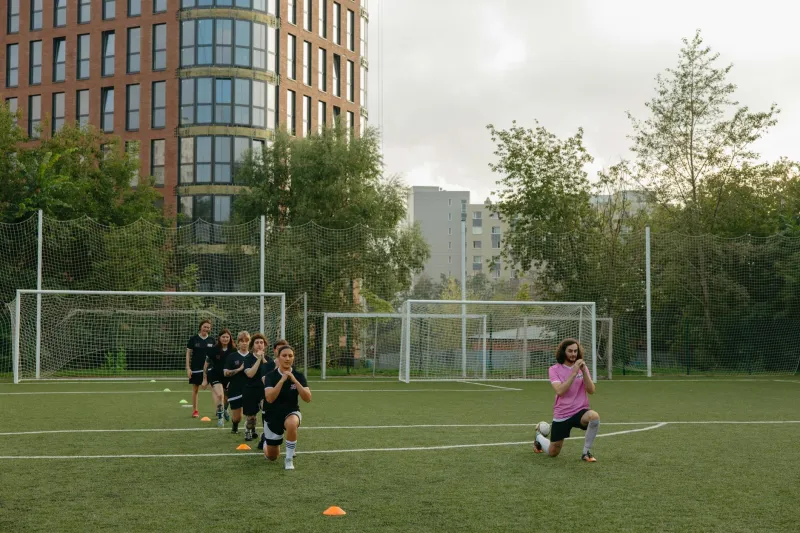
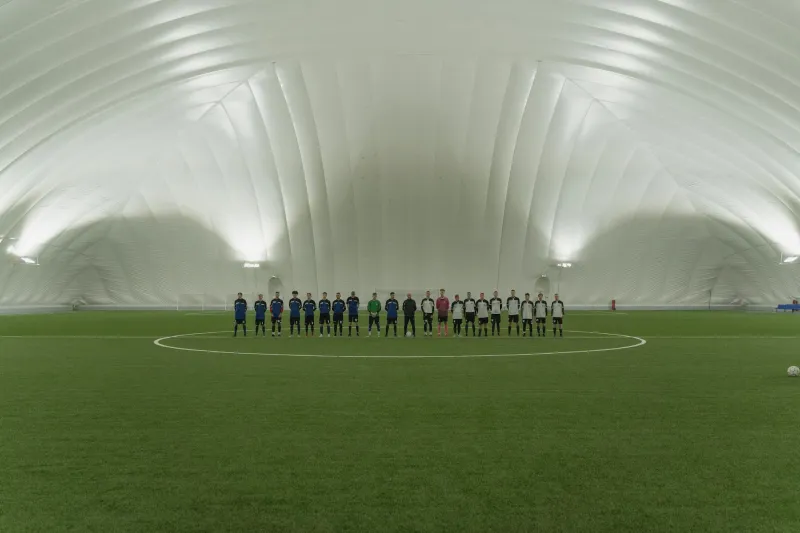
The transformation begins with reimagining training environments. Sports halls, community centres, and even converted warehouses become technical laboratories where young players can hone their craft without the variables that outdoor football presents.
At Blackpool Youth Academy, coach David Thompson has developed what he calls 'precision sessions'—intimate training environments where groups of eight players work on ball mastery for ninety minutes straight. "Without wind, rain, or uneven surfaces, we can focus purely on technique," Thompson explains. "A player's first touch in January is markedly different from their first touch in October."
The approach draws heavily from futsal principles, emphasising close control, quick decision-making, and technical excellence. Many clubs report that players returning to grass pitches in spring demonstrate significantly improved ball-handling skills and spatial awareness.
Mental Conditioning in the Quiet
Beyond technical development, winter offers unique opportunities for psychological growth. Without the immediate pressure of match results, coaches can address mental aspects of performance that often get overlooked during the competitive season.
Dr. Emma Clarke, a sports psychologist working with several Yorkshire-based youth clubs, advocates for what she terms 'reflective practice periods.' Players analyse their own performances through video review, set personal development goals, and engage in visualisation exercises.
"During the season, everything is reactive," Clarke notes. "Winter gives us space for proactive mental conditioning. Players learn to see themselves as athletes in development rather than just weekend competitors."
Periodisation at Grassroots Level
The most sophisticated clubs are borrowing periodisation concepts from elite sport, structuring their winter programmes around specific physical and technical adaptations. Rather than maintaining fitness through generic running sessions, they're implementing targeted development phases.
Manchester-based Chorlton Athletic has divided their winter programme into distinct blocks: technical mastery (November-December), strength and conditioning (January-February), and tactical integration (March). Each phase builds upon the previous one, creating a structured pathway toward spring readiness.
"It's about working smarter, not just harder," explains head coach Michael Roberts. "By the time other teams are shaking off winter rust, our players are hitting peak form."
The Community Club Advantage
Interestingly, it's often smaller community clubs rather than elite academies that are leading this winter revolution. With fewer resources but greater flexibility, these organisations can pivot quickly and experiment with innovative approaches.
Bridgend Town FC in Wales exemplifies this agility. When their usual training ground became unusable last winter, they partnered with local leisure centres, schools, and even a dance studio to maintain their development programme. The result was a more diverse training environment that challenged players in unexpected ways.
"Necessity bred innovation," reflects club chairman Tom Davies. "We discovered that changing environments constantly kept players mentally engaged and technically sharp."
Measuring Winter's Impact
The proof of winter's potential lies in measurable outcomes. Clubs implementing structured off-season programmes report significant improvements in technical assessments, with some seeing 20-30% increases in ball control metrics between October and March.
More tellingly, these improvements translate to on-field success. Teams that maximise winter development frequently experience strong starts to the following season, often maintaining advantages established during the quiet months throughout the entire campaign.
The Long-Term Vision
Perhaps most importantly, winter-focused development creates different types of players. Young athletes learn that improvement happens away from the spotlight, that mastery requires patience and deliberate practice, and that success is built through consistent application rather than sporadic brilliance.
"We're not just developing better footballers," observes Sarah Mitchell. "We're developing better athletes and better people. Winter teaches delayed gratification and process-focused thinking—qualities that serve players throughout their lives."
Embracing the Elements
As climate patterns shift and winter weather becomes increasingly unpredictable, the clubs mastering off-season development gain sustainable competitive advantages. They're not fighting winter; they're embracing it as an integral part of their development philosophy.
For Britain's youth football landscape, the message is clear: champions aren't just made in the glory of summer sunshine. They're forged in the quiet determination of winter's hidden months, where technical precision meets mental fortitude, and where tomorrow's stars learn that excellence is a year-round pursuit.
The winter window isn't a pause in development—it's where development truly begins.