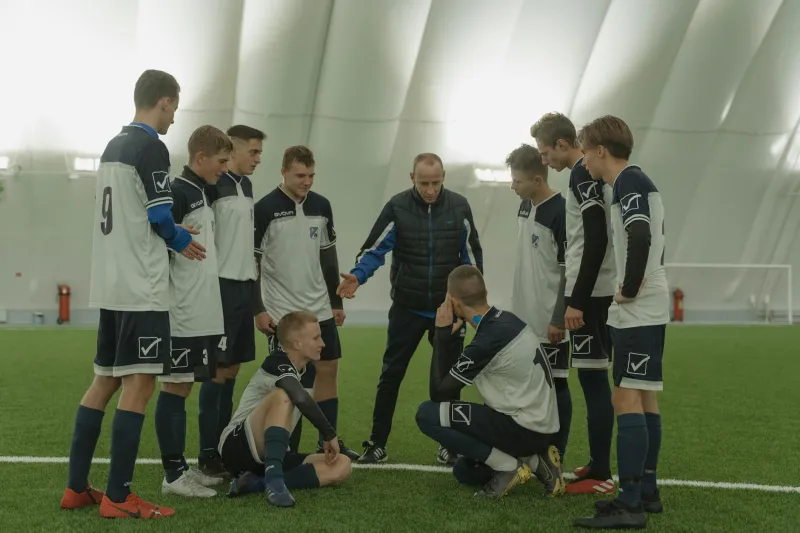
The Vanishing Generation
Across Britain's playing fields, gymnasiums, and swimming pools, a troubling pattern emerges each September. The eager faces that populated youth training sessions just months earlier have disappeared, replaced by smaller, diminished squads. This isn't merely about natural attrition—it represents a systematic haemorrhaging of athletic talent at the precise moment when young people should be transitioning into senior competition.
Recent Sport England participation data paints a stark picture: participation in organised sport among 16-18 year olds has declined by 23% over the past five years. More concerning still, research conducted by Sheffield Hallam University suggests that 40% of athletes who compete at county level or above during their GCSE years have completely withdrawn from their sport by their 18th birthday.
The Perfect Storm of Pressures
The convergence of academic, social, and economic pressures at age 16 creates what sports psychologists term "the perfect storm" for athletic dropout. Dr Sarah Mitchell, who leads the youth development programme at Manchester Metropolitan University, explains: "We're asking young people to make life-defining choices about their future whilst simultaneously expecting them to maintain elite-level sporting commitments. For many, something has to give."
The introduction of A-levels brings unprecedented academic pressure. Unlike the broad curriculum of GCSEs, A-level study demands intensive focus and extended study periods that directly conflict with training schedules. Parents, understandably concerned about their children's educational prospects, often view sporting commitments as expendable luxuries rather than valuable developmental opportunities.
The Financial Fault Lines
Beyond academic pressures lies a more insidious challenge: the escalating cost of youth sport participation. As young athletes progress through age groups, expenses multiply exponentially. Equipment becomes more specialised, coaching fees increase, and competition travel extends to national and international events.
For families already stretched by the cost of living crisis, these mounting expenses become untenable. James Crawford, whose daughter represented England at junior level in athletics before withdrawing at 17, reflects candidly: "We were spending over £8,000 annually on training, travel, and equipment. When she needed to focus on A-levels anyway, it felt impossible to justify continuing."
This financial barrier disproportionately affects talented athletes from working-class backgrounds, creating a system where sporting progression becomes increasingly correlated with family wealth rather than ability.
The Psychology of Burnout
Perhaps most concerning is the psychological toll of early specialisation and intensive training regimes. Young athletes who have dedicated their childhood to a single sport often experience what researchers term "athletic identity foreclosure"—a narrowing of self-concept that leaves them vulnerable when sporting progression stalls or becomes less rewarding.
Dr Emma Thompson, a sports psychologist working with British Athletics, observes: "We see young people who have been training six days a week since they were eight years old. By 16, many are emotionally and physically exhausted. They've missed birthday parties, family holidays, and normal teenage experiences. The sport that once brought joy has become a burden."
This burnout is exacerbated by the increasing professionalisation of youth sport. Where previous generations enjoyed a more relaxed approach to athletic development, today's young athletes face intense scrutiny, performance analysis, and pressure to specialise from an increasingly early age.
Social Shifts and Identity Formation
The teenage years represent a critical period for identity formation and social development. Many young athletes find themselves torn between their sporting commitments and the desire to explore other interests, relationships, and experiences that define normal adolescence.
Social media amplifies these tensions, presenting curated glimpses of peers enjoying freedoms that dedicated athletes must forgo. The fear of missing out becomes a powerful force pulling young people away from training grounds and competition venues.
Community-Led Solutions
Despite these challenges, innovative approaches emerging across Britain demonstrate that athletic retention is achievable. The key lies in recognising that traditional models of youth sport development require fundamental reimagining.
Flexible training programmes represent one promising avenue. Clubs that have implemented "academic-friendly" schedules, with reduced training volumes during exam periods and flexible attendance policies, report significantly improved retention rates. The Hertfordshire County Athletics Club, for example, saw a 35% increase in 16-18 year old participation after introducing such measures.
Holistic Development Models
Progressive sports organisations are embracing holistic development models that prioritise the young person's overall wellbeing alongside athletic achievement. This approach recognises that sustainable sporting excellence requires psychological health, academic success, and social development.
The Shots Trust advocates for programmes that integrate life skills development, career guidance, and mental health support into sporting frameworks. Young athletes who feel supported across all aspects of their development are significantly more likely to maintain sporting engagement through challenging transitional periods.
Financial Innovation and Support
Addressing the financial barriers requires creative approaches to funding and support. Some clubs have established bursary schemes, equipment sharing programmes, and partnerships with local businesses to reduce costs for families. Others have developed tiered membership structures that allow continued participation at reduced intensity and cost.
The Path Forward
The exodus of talented young athletes at 16 represents a critical challenge for British sport, but it is not insurmountable. Success requires a coordinated response from clubs, coaches, parents, and policymakers who recognise that retaining young athletes demands more than simply hoping they'll persevere through difficulties.
Community sports organisations must evolve beyond traditional models that prioritise immediate performance over long-term participation. By embracing flexibility, supporting holistic development, and addressing the real-world pressures facing young athletes, we can stem the tide of athletic abandonment and ensure that Britain's sporting future remains bright.
The young people walking away from sport at 16 aren't lacking in talent or dedication—they're responding rationally to systems that have failed to adapt to their needs. Our response must be equally rational: comprehensive reform that places the young person, not just the athlete, at the centre of sporting development.