The Burnout Epidemic
At 14, Emma Thompson was Britain's most promising young swimmer. Training six days weekly since age eight, competing nationally since ten, sacrificing friendships and education for pool-side glory. By 16, she had quit entirely – another casualty of Britain's relentless pursuit of early athletic specialisation.
 Photo: Emma Thompson, via cdn.britannica.com
Thompson's story repeats across British sport with depressing frequency. Youth Sport Trust statistics reveal that 76% of young athletes who specialise before age 12 abandon their sport by 16. Meanwhile, research consistently demonstrates that multi-sport participation produces superior long-term athletic outcomes.
Yet British sporting culture continues embracing early specialisation with religious fervour, driven by parental anxiety, coaching ambition, and fundamental misunderstanding of athletic development principles.
The Scandinavian Model
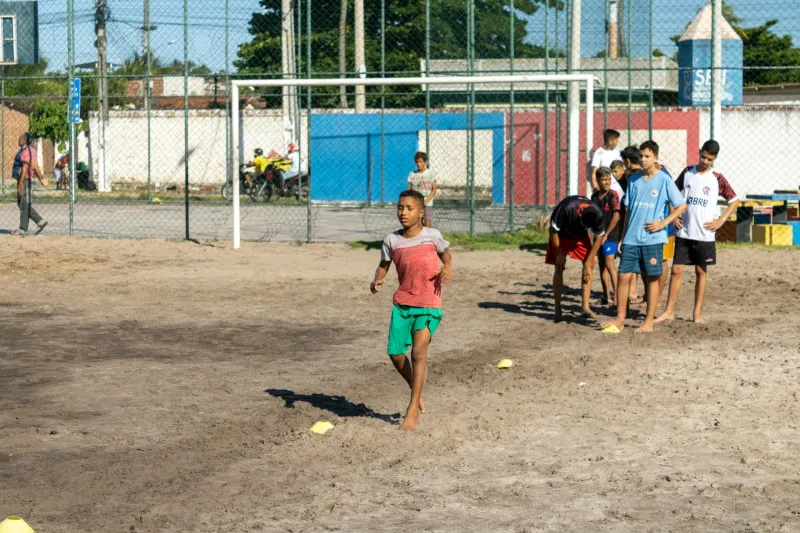
In stark contrast, Scandinavian countries have revolutionised youth sport through deliberate diversification. Swedish athletes typically participate in 3-4 sports until age 16, specialising only after establishing broad athletic foundations.
The results speak volumes. Despite smaller populations, Sweden and Norway consistently outperform Britain in international competition across multiple sports. Their athletes demonstrate superior longevity, fewer injuries, and enhanced performance at senior level.
"Multi-sport participation creates more complete athletes," explains Dr Lars Eriksson, head of Sweden's national sports institute. "Early specialisation produces technically proficient but athletically limited performers who struggle with the demands of elite competition."
 Photo: Dr Lars Eriksson, via alchetron.com
Sweden's tennis success illustrates this approach perfectly. Players like Bjorn Borg and Stefan Edberg excelled at multiple sports before focusing on tennis, developing the diverse movement patterns and competitive instincts that defined their careers.
 Photo: Bjorn Borg, via thumbs.dreamstime.com
The Science of Sampling
Sports science research overwhelmingly supports multi-sport participation during childhood and adolescence. Dr Jean Côté's landmark studies at Queen's University demonstrate that elite athletes typically engage in "sampling" periods where they experience diverse sporting activities before specialising.
This sampling develops crucial attributes:
Motor skill diversity: Different sports challenge various movement patterns, creating more adaptable athletes with broader physical capabilities.
Cognitive flexibility: Multi-sport athletes develop superior decision-making skills and tactical awareness through exposure to different game situations.
Intrinsic motivation: Variety maintains enjoyment and prevents the burnout associated with repetitive single-sport training.
Injury prevention: Diverse movement patterns reduce overuse injuries common in early specialisation.
The Injury Crisis
Britain's youth sport injury statistics paint an alarming picture. Single-sport specialists suffer serious injuries at rates 70% higher than multi-sport participants. Overuse injuries – stress fractures, joint problems, muscle imbalances – now affect children as young as ten.
"We're seeing adult injury patterns in primary school children," warns Dr Michael Grant, consultant sports physician at the Institute of Sport Medicine. "Eight-year-olds with tennis elbow, ten-year-olds with stress fractures, twelve-year-olds requiring surgery for repetitive strain injuries. This is unprecedented and entirely preventable."
The physical toll extends beyond immediate injuries. Early specialisation creates movement pattern restrictions that limit long-term athletic potential. Young footballers who never experience throwing sports develop poor upper-body mechanics. Swimmers who avoid running sports show compromised lower-limb power development.
The American Awakening
The United States, historically associated with early specialisation, is experiencing dramatic philosophical shifts. The American Development Model now actively promotes multi-sport participation until high school age.
This change was driven by compelling evidence from professional sports. Analysis of NFL players revealed that 87% participated in multiple high school sports. NBA players averaged 2.8 sports during their youth development. Professional success correlated directly with sporting diversity rather than early specialisation.
"We've learned that athletic development is not linear," explains Dr Russell Carson from the US Olympic Committee. "The athletes who reach the highest levels typically have the most diverse sporting backgrounds."
The Psychological Dimension
Beyond physical benefits, multi-sport participation provides crucial psychological advantages. Young athletes develop resilience through experiencing different competitive environments and coaching styles. They learn to transfer skills between contexts and adapt to varying performance demands.
Sports psychologist Dr Rachel Stevens has studied the mental health implications of early specialisation extensively. "Single-sport specialists show higher rates of anxiety, depression, and identity issues," she reports. "Their entire self-worth becomes tied to performance in one activity. When problems arise – and they inevitably do – these young people have no alternative sources of confidence or achievement."
Multi-sport athletes demonstrate greater emotional stability and more balanced identities. They view setbacks in individual sports as temporary challenges rather than devastating failures.
Breaking the Cultural Barriers
Despite overwhelming evidence supporting multi-sport development, British sporting culture resists change. Parents fear their children will fall behind early specialists. Coaches worry about losing talented players to other sports. Governing bodies compete for youth participation rather than collaborating on athlete development.
These concerns reflect fundamental misunderstanding of talent development timelines. Peak performance in most sports occurs in the twenties or thirties, yet British systems treat pre-teenage performance as predictive of adult success.
"We're optimising for 12-year-old performance at the expense of 22-year-old potential," observes UK Sport's head of talent development Sarah Mitchell. "This approach is counterproductive and ultimately self-defeating."
The Implementation Challenge
Transforming Britain's approach to youth sport requires systematic cultural change. Schools must offer diverse sporting opportunities rather than focusing on traditional team sports. Clubs need to collaborate rather than compete for young athletes. Parents require education about long-term athletic development principles.
Some progressive organisations are leading this change. The Rugby Football Union now encourages players to participate in multiple sports until age 16. British Swimming has reduced training volumes for younger age groups and promotes complementary activities.
The Future of British Sport
Britain stands at a crossroads in youth athletic development. We can continue down the destructive path of early specialisation, producing technically proficient but ultimately limited athletes who burn out before reaching their potential. Or we can embrace the multi-sport revolution that's transforming athletic development globally.
The choice seems obvious, yet implementation requires courage to challenge entrenched cultural beliefs. British sport's future success depends not on creating more 10-year-old specialists, but on developing athletically literate young people who can adapt, evolve, and excel across multiple decades of competition.
The evidence is clear. The benefits are proven. The question remains whether Britain will abandon its obsession with early specialisation before we lose another generation of athletic talent to preventable burnout and injury.