The Uncomfortable Truth
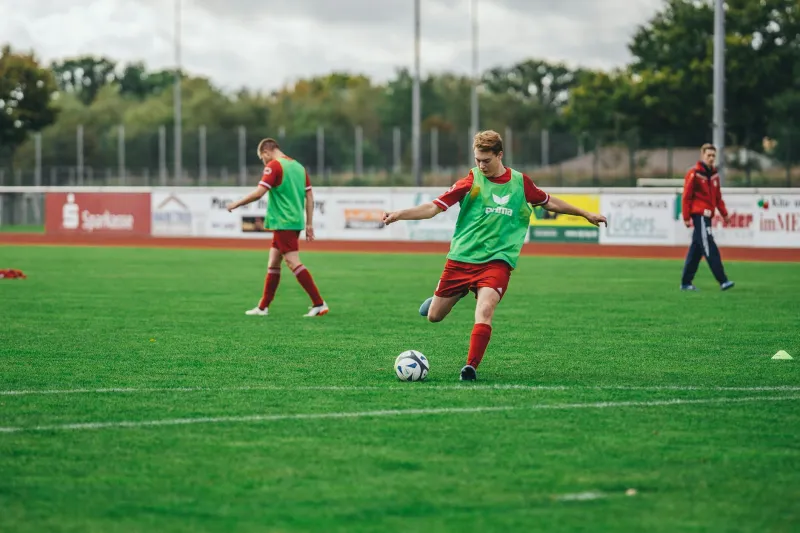
Every weekend across Britain, a peculiar ritual unfolds on thousands of football pitches. Young players receive the ball, glance up, then inevitably shift their body weight to accommodate their stronger foot. Left-footed players drift right, right-footed players favour their left side, and coaches nod approvingly at this predictable choreography.
This scene, repeated countless times throughout British youth football, represents a fundamental flaw in our developmental approach. Whilst European counterparts systematically develop two-footed players from the earliest ages, British coaching remains trapped in an outdated philosophy that accepts—even encourages—single-foot dominance.
The consequences are becoming increasingly apparent as British players struggle to adapt to modern football's demands for technical versatility and unpredictability.
The Statistical Reality
Recent analysis of Premier League players reveals a stark truth about British football's technical limitations. Domestic players attempt 34% fewer passes with their weaker foot compared to their European counterparts, and complete just 67% of those attempts—significantly lower than players from Spain (81%), Netherlands (78%), and Germany (75%).
These statistics reflect deeper issues within British youth development. From under-7 level upwards, training sessions emphasise dominant-foot repetition, with weak-foot development treated as an optional extra rather than fundamental requirement.
"We're producing players who are technically competent on one side of their body and virtually useless on the other," observes David Chen, a biomechanics specialist who has worked with several Championship clubs. "In modern football, that's like being half a player."
European Excellence
The contrast with European development models is striking. In the Netherlands, weak-foot training comprises 40% of technical sessions for players aged 8-12. Spanish academies mandate equal repetitions with both feet during individual skill development. German youth programmes include specific weak-foot challenges in every training session.
These systematic approaches produce remarkable results. Players like Arjen Robben, despite being naturally left-footed, developed such proficiency with his right foot that opponents never knew which way he would turn. Kevin De Bruyne's ambidextrous passing ability allows him to find angles that single-footed players cannot access.
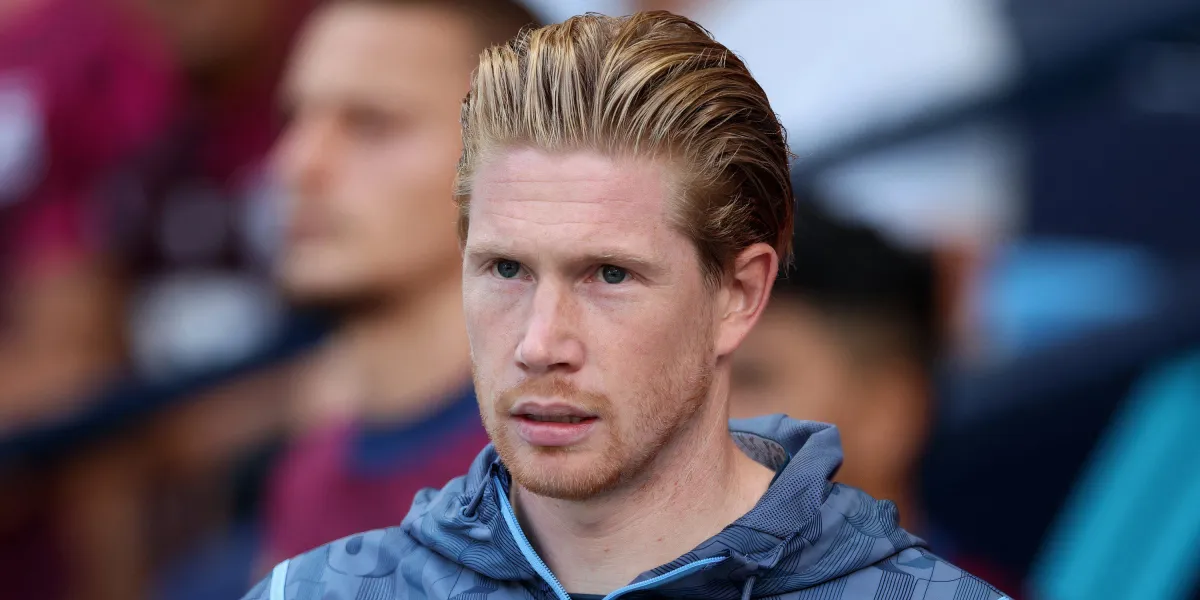 Photo: Kevin De Bruyne, via static0.givemesportimages.com
"The Dutch philosophy is simple: if you can only use one foot, you're only half a footballer," explains former Ajax youth coach Willem Van Der Berg, now working with English academies. "This isn't just about technical ability—it's about tactical unpredictability and mental flexibility."
The Coaching Culture
Britain's weak-foot neglect stems from deeply ingrained coaching culture. Traditional British football emphasised physicality and direct play, where technical subtlety was less crucial. Coaches, many of whom were products of this system, perpetuate single-foot training without questioning its limitations.
The problem extends beyond professional academies into grassroots football, where volunteer coaches often lack the knowledge or confidence to implement weak-foot development programmes. Time constraints and result pressures further discourage experimentation with unfamiliar training methods.
"Most grassroots coaches were taught to get players comfortable with their strong foot first, then maybe work on their weak foot later," explains Sarah Williams, a FA-qualified coach educator. "But 'later' never comes because there's always another match to prepare for, another technique to master with the dominant foot."
The Neurological Window
Neuroscience research reveals that weak-foot development becomes exponentially more difficult after age 12, when brain plasticity begins to decline. This creates a narrow window for establishing bilateral motor patterns—a window that British football consistently wastes.
"Between ages 6 and 12, children's brains are incredibly adaptable," explains Dr Jennifer Walsh, a neurologist specialising in motor skill development. "During this period, regular weak-foot training can create neural pathways that make both feet equally responsive. Miss this window, and players will struggle with weak-foot limitations throughout their careers."
European coaches understand this neurological reality and structure their programmes accordingly. British football, however, often delays serious weak-foot work until players reach academy level—by which time the optimal development window has largely closed.
Modern Football's Demands
Contemporary football increasingly rewards players who can operate effectively with both feet. High-pressing systems force quicker decisions, while tactical flexibility requires players to adapt to different positions and situations. Single-footed players become tactical liabilities in these environments.
Consider the modern full-back, expected to provide width in attack whilst maintaining defensive solidity. A right-footed right-back who cannot cross effectively with his left foot becomes predictable and easily defended. Similarly, central midfielders who can only pass accurately with one foot limit their team's tactical options.
"Football has become a game of small margins and quick decisions," notes former England international Michael Carrick. "Players who need extra touches to get the ball onto their stronger foot are at a massive disadvantage. The best players can strike, pass, or cross equally well with either foot."
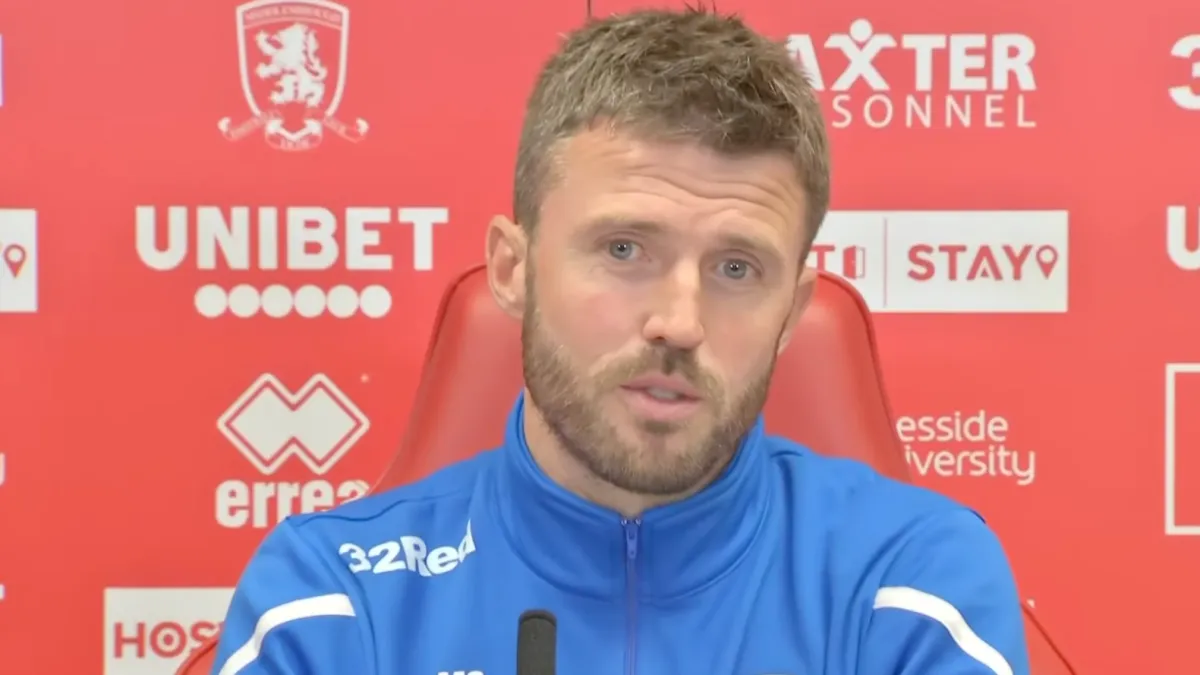 Photo: Michael Carrick, via themanc.com
The Implementation Challenge
Transforming British football's approach to weak-foot development requires systematic change across all levels. Youth coaches need education about bilateral training methods, while clubs must allocate sufficient time for weak-foot development within their programmes.
The solution isn't complex but requires consistency and patience. Simple modifications to existing training exercises—requiring alternate-foot touches, implementing weak-foot-only periods, or setting up drills that favour the weaker side—can produce significant improvements over time.
"It's not about revolutionary training methods," emphasises Van Der Berg. "It's about making weak-foot development a non-negotiable part of every session. If a young player takes 100 touches in training, 40 should be with their weaker foot. It's that simple."
Breaking the Pattern
Several progressive British clubs have begun implementing systematic weak-foot development programmes. Brighton & Hove Albion's academy mandates equal repetitions with both feet during technical sessions. Brentford's youth programme includes specific weak-foot challenges in player assessments.
These initiatives show promising early results, with academy players demonstrating improved bilateral competency compared to peers from traditional programmes. However, widespread change requires cultural shift throughout British football.
The Path Forward
British football faces a choice: continue producing technically limited players who struggle against increasingly sophisticated international opposition, or embrace systematic weak-foot development that unlocks player potential.
The evidence overwhelmingly supports change. European models demonstrate the effectiveness of bilateral training, whilst modern football's demands make weak-foot competency increasingly essential.
Implementing this change requires commitment from coaches, clubs, and governing bodies. It means prioritising long-term technical development over short-term competitive success. Most importantly, it requires acknowledging that British football's traditional approaches, however successful in the past, are no longer adequate for contemporary demands.
The solution exists within our reach—we simply need the courage to grasp it with both feet.