The Missing Link in British Youth Sport
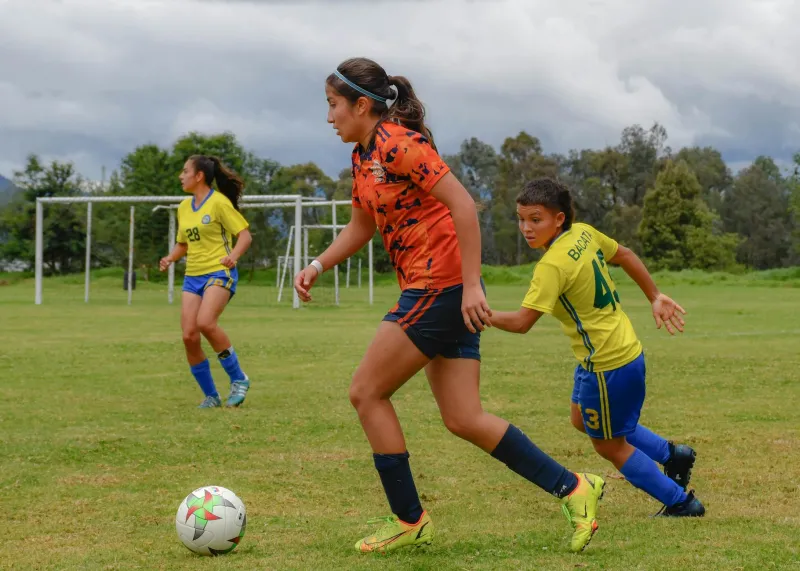
Whilst British football academies pour resources into identifying the next generation of stars, a stark reality emerges from grassroots pitches across the nation: the most crucial developmental window in young athletes' careers is being systematically overlooked. Between the ages of 12 and 14, thousands of promising footballers, cricketers, and rugby players quietly disappear from organised sport, their potential lost to a system that fails to recognise the unique challenges of early adolescence.
Dr Sarah Mitchell, a sports psychologist working with Yorkshire-based youth clubs, describes this period as "the forgotten window" – a time when young athletes face unprecedented physical, psychological, and social pressures, yet receive the least targeted support from the sporting infrastructure around them.
"We obsess over talent identification at age 8 and worry about academy selections at 16," explains Mitchell. "But the real battle for retention happens in those invisible years between 12 and 14, when everything changes for these young people."
The Perfect Storm of Adolescent Challenges
The statistics paint a sobering picture. Sport England's latest participation data reveals that 68% of young people who were regularly active in sport at age 11 have either reduced their involvement or stopped entirely by age 15. This exodus peaks precisely during the 12-14 window, when multiple developmental factors converge to create what researchers term "the perfect storm" of sporting abandonment.
Physically, early adolescence brings dramatic changes that can destabilise previously confident young athletes. Growth spurts affect coordination and technique, whilst hormonal fluctuations impact energy levels and emotional regulation. For many, the smooth progression from junior football suddenly becomes a frustrating battle against their own changing bodies.
Tom Harrison, head coach at Nottinghamshire County FA's development programme, witnesses this transformation annually. "You see confident 11-year-olds who could run rings around older players suddenly struggling with basic skills at 13. Their legs have grown six inches, their centre of gravity has shifted, and nobody's explained why football feels impossible now."
The Social Minefield
Beyond physical changes, the social dynamics of early adolescence create additional barriers to sporting participation. Peer relationships become paramount, academic pressures intensify, and the casual approach to sport that characterised childhood gives way to more serious expectations from coaches and parents.
Research conducted by Manchester Metropolitan University found that fear of judgment becomes the primary concern for 13-year-old athletes, surpassing even fear of injury or failure. The study, which followed 500 young athletes across the North West, revealed that 73% of dropouts cited "feeling embarrassed in front of others" as a contributing factor to their decision to quit.
"At 12, they're still playing for fun," observes Jenny Wright, who coaches girls' football in Birmingham. "By 14, they're acutely aware of who's watching, who's better, who might be laughing. The joy gets replaced by anxiety, and we lose them."
The Academy Paradox
Paradoxically, the very existence of elite development pathways contributes to the problem. Young athletes who fail to secure academy places at 12 or 13 often interpret this as evidence they lack talent, despite research showing that physical and psychological development varies enormously during adolescence.
The Football Association's own studies indicate that 60% of professional players were not in academy systems at age 13, yet the message received by grassroots players and their families remains clear: if you're not selected by 12, your dreams are over.
"We've created a false ceiling," argues Dr James Peterson, author of 'Late Bloomers: The Science of Sporting Development'. "Children who might become exceptional athletes at 17 or 18 are writing themselves off at 13 because they haven't been spotted yet."
Bridging the Gap: Practical Solutions
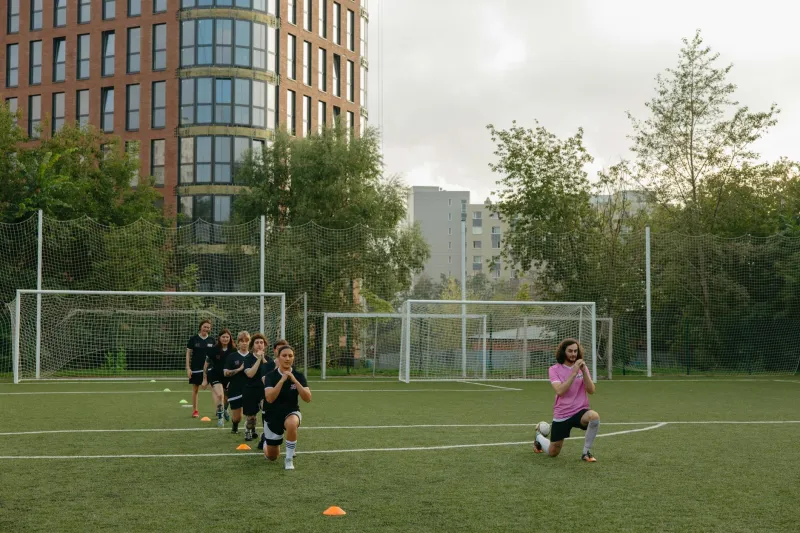
Progressive clubs across Britain are beginning to address this challenge through targeted interventions designed specifically for the 12-14 age group. These initiatives focus on maintaining engagement rather than intensive development, recognising that keeping young people in sport is more valuable than pushing them towards elite performance prematurely.
The Shots Trust advocates for a fundamental shift in how British sport approaches this critical period. Rather than treating 12-14 year olds as small adults or large children, successful programmes acknowledge their unique needs and create environments that nurture continued participation.
The Role of Coaches and Parents
Central to any solution is education for coaches and parents about the realities of adolescent development. Too often, well-meaning adults interpret temporary dips in performance as permanent limitations, or respond to emotional volatility with increased pressure rather than patient support.
"The best coaches during this period are part sports scientist, part counsellor, and part cheerleader," explains Wright. "They understand that the 13-year-old having a meltdown on Tuesday might score a brilliant goal on Saturday, and they respond accordingly."
A Call for Systematic Change
As British sport continues to evolve, the evidence is clear: success in developing tomorrow's champions depends not on identifying talent earlier or training harder, but on successfully navigating the forgotten window between childhood and adolescence. The athletes we lose at 13 might have become the stars of 2035, but only if we learn to support them through their invisible years.
The challenge for clubs, coaches, and governing bodies is to recognise that the most important shot in youth development isn't the one that hits the back of the net – it's the one that keeps young people coming back for more.