The Accidental Coaching Revolution
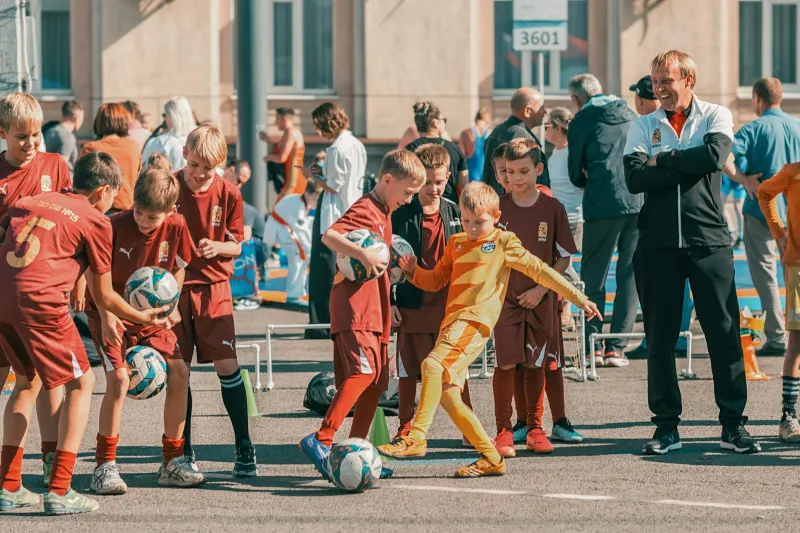
Every Saturday morning across Britain, thousands of parents gather along muddy touchlines, thermoses in hand, cheering on their children's sporting endeavours. Yet increasingly, these same individuals are trading their spectator positions for coaching bibs, becoming the backbone of grassroots youth sport in ways they never anticipated.
The statistics paint a compelling picture: nearly 40% of grassroots football coaches in England began their journey as parents supporting their children's teams. This organic progression from supporter to leader represents a fundamental shift in how British youth sport operates, addressing critical shortages whilst building stronger community connections.
The Journey from Spectator to Mentor
Sarah Mitchell's story exemplifies this transformation. Initially attending her daughter's under-10 matches in Hertfordshire purely as moral support, she found herself volunteering to help with equipment when the regular coach fell ill. "I had no intention of becoming involved beyond watching Emma play," Sarah recalls. "But when you see children standing around because there aren't enough adults to organise proper training sessions, you can't help but step forward."
Three years later, Sarah holds her FA Level 2 coaching qualification and manages two youth teams. Her progression mirrors that of thousands of parents nationwide who discovered their passion for development through their children's sporting journey.
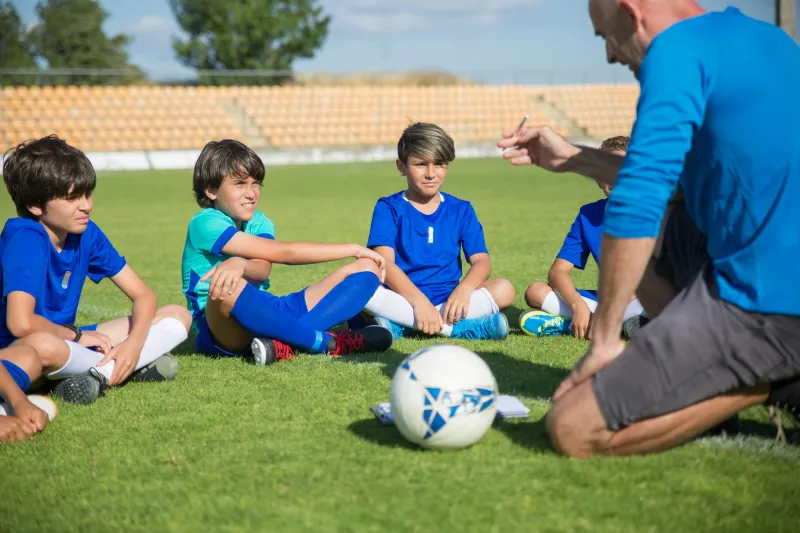
The pathway typically begins with simple volunteering—helping with kit, organising fixtures, or assisting during training sessions. Gradually, these parents recognise gaps in provision and step forward to fill them. What starts as temporary assistance often evolves into long-term commitment as they witness the profound impact quality coaching has on young athletes.
Motivation Beyond the Obvious
Whilst parental support for their children remains the initial catalyst, research indicates deeper motivations driving this transition. Many parent-coaches cite the desire to give back to their communities and create positive sporting experiences for all children, not just their own.
David Thompson, who progressed from touchline observer to head coach at his local rugby club in Yorkshire, explains: "Once you understand how sport can shape young people's confidence, resilience, and character, you want every child to have that opportunity. My son benefited enormously from good coaching, and I felt compelled to provide the same for others."
This altruistic element distinguishes parent-coaches from purely career-focused professionals. Their investment extends beyond tactical knowledge to encompass holistic youth development, creating environments where children learn life skills alongside sporting techniques.
Navigating the Challenges
The transition from parent to coach presents unique challenges. Establishing authority with children who know you primarily as "Jamie's mum" or "Tom's dad" requires careful navigation. Many parent-coaches struggle initially with this role adjustment, particularly when coaching their own children alongside teammates.
Club structures don't always accommodate this evolution smoothly either. Some organisations lack clear pathways for parent volunteers to progress into coaching roles, whilst others fail to provide adequate support during the transition period. The result can be well-intentioned parents feeling overwhelmed by responsibilities they're not fully prepared for.
Financial considerations also present barriers. Coaching qualifications, whilst increasingly accessible, still require significant investment in time and money. Many parents juggle full-time careers with family commitments, making attendance at weekend courses challenging.
The Training Revolution
Recognising these challenges, governing bodies have revolutionised their approach to coach education. The Football Association's introduction of online learning modules allows parents to complete theoretical components at their own pace, whilst practical assessments can be scheduled around family commitments.
Similarly, England Rugby has developed mentorship programmes pairing experienced coaches with parent volunteers, providing ongoing support beyond initial qualification. These initiatives acknowledge that effective coaching development requires sustained guidance rather than one-off training events.
Local county FAs have also embraced flexible delivery methods. Evening courses, school holiday intensives, and modular programmes cater specifically to parent-coaches' availability constraints. The result is a dramatic increase in qualification uptake amongst volunteer parents.
Impact on Grassroots Sport
The parent-to-coach pipeline addresses several critical issues facing British youth sport. Firstly, it provides sustainable solutions to coaching shortages that have plagued grassroots clubs for decades. These volunteers typically remain involved for extended periods, creating stability that benefits entire age groups.
Secondly, parent-coaches often bring diverse professional skills to their roles. Teachers contribute educational expertise, business professionals add organisational capabilities, and healthcare workers provide injury prevention knowledge. This skill diversity enriches the coaching environment beyond traditional sporting backgrounds.
The community connection these coaches maintain also proves invaluable. Their understanding of local families, schools, and social dynamics enables them to create inclusive environments that welcome children from all backgrounds.
Building Sustainable Systems
To maximise this pipeline's potential, clubs must develop systematic approaches to volunteer development. This includes creating clear progression pathways, providing ongoing mentorship, and recognising the valuable contributions parent-coaches make beyond match days.
Successful clubs establish buddy systems pairing new parent-coaches with experienced volunteers, ensuring knowledge transfer and emotional support during challenging periods. They also implement recognition programmes celebrating volunteer achievements, maintaining motivation throughout the inevitable difficult moments.
The Future of Volunteer Coaching
As this parent-to-coach phenomenon continues expanding, its impact on British youth sport becomes increasingly significant. These accidental coaches represent more than a stopgap solution to staffing shortages—they embody the community spirit that makes grassroots sport special.
Their journey from touchline supporter to qualified mentor demonstrates how passion, properly channelled and supported, can transform both individual lives and entire sporting communities. For The Shots Trust's mission of developing tomorrow's champions today, these volunteer coaches represent an invaluable resource whose potential is only beginning to be realised.
The challenge now lies in ensuring every parent who shows interest in progressing beyond spectator receives the support, training, and encouragement necessary to become an effective coach. In doing so, British youth sport can build a sustainable foundation that serves communities for generations to come.