The Unrecognised Advantage
In the sterile environment of modern sports academies, where every training variable is measured and optimised, one of the most powerful developmental forces remains largely ignored. It doesn't appear in coaching manuals, isn't measured by sports scientists, and receives minimal attention from youth development programmes. Yet research increasingly suggests that having a sporting sibling represents one of the most significant predictors of athletic success.
Across Britain's sporting landscape, from Premier League academies to local athletics clubs, coaches and development specialists are missing a crucial piece of the talent puzzle. The sibling effect—that complex interplay of rivalry, motivation, and shared experience that occurs when brothers and sisters pursue sport together—creates developmental pathways that no coaching programme can artificially manufacture.
The Science of Sibling Sport
Dr Rebecca Thomson, a sports psychologist at Liverpool John Moores University, has spent the past five years studying sibling dynamics in British youth sport. Her findings challenge conventional wisdom about athletic development.
 Photo: Liverpool John Moores University, via store.learningroutes.in
"We've discovered that children with sporting siblings demonstrate significantly higher levels of intrinsic motivation, resilience, and competitive drive," Thomson explains. "More importantly, they develop these characteristics earlier and more sustainably than their peers in traditional coaching environments."
The research, conducted across 2,000 young athletes aged 8-16, reveals that sporting siblings show 23% higher retention rates in their chosen sports and demonstrate superior performance under pressure situations. Perhaps most significantly, they exhibit greater willingness to attempt new techniques and tactical approaches—a crucial factor in long-term athletic development.
The Daily Laboratory
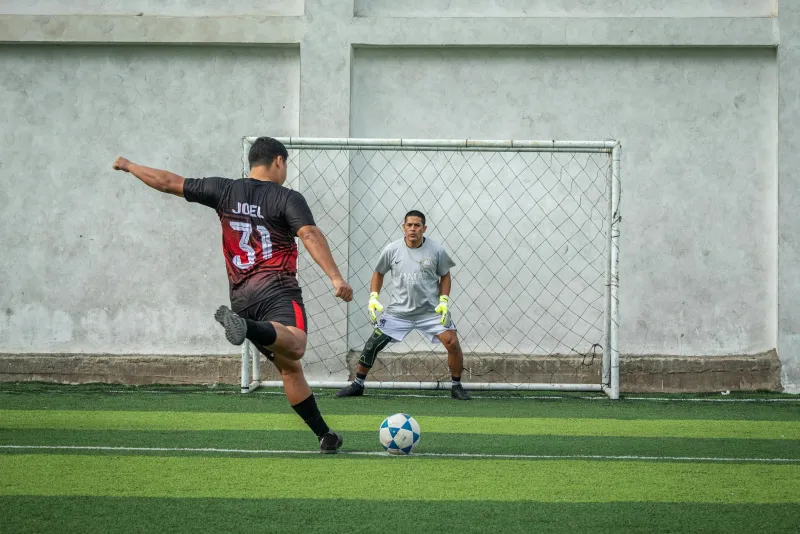
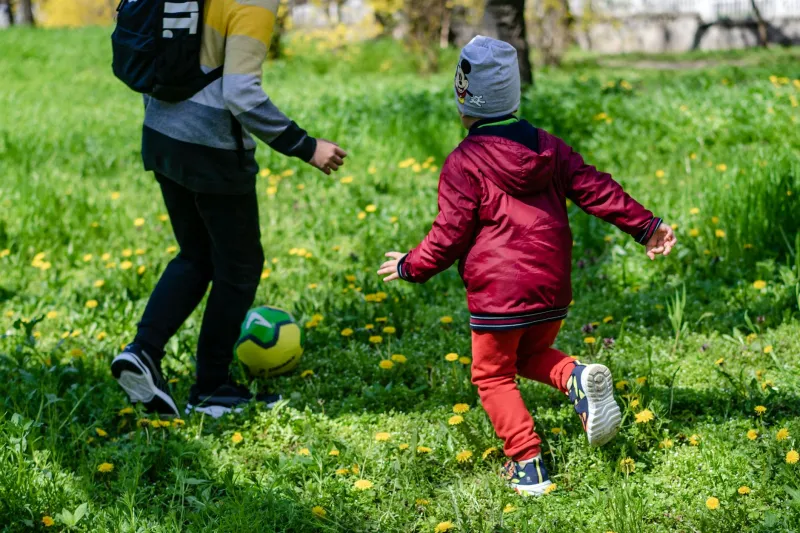
Unlike the structured, time-limited environment of formal coaching sessions, sibling athletes inhabit a constant developmental laboratory. The family garden becomes a training ground, the local park transforms into a competitive arena, and every interaction carries potential learning opportunities.
"My two lads are constantly challenging each other," observes Helen Morrison, whose sons Jake and Tom both play for Manchester United's youth academy. "It's not just formal practice—they're competing over who can juggle the ball longer whilst walking to school, or who can hit the crossbar from the penalty spot. That constant, playful competition has driven both their development far more than any coaching session."
 Photo: Manchester United, via www.pixelstalk.net
This informal, continuous exposure to competitive situations creates what psychologists term 'micro-adaptations'—tiny adjustments in technique, mentality, and tactical understanding that accumulate over thousands of interactions. These adaptations occur naturally and unconsciously, embedding themselves more deeply than formally taught skills.
The Motivation Matrix
Sibling rivalry creates a unique motivational environment that combines intimate knowledge with competitive drive. Unlike teammates or training partners, siblings understand each other's weaknesses, fears, and aspirations with uncomfortable precision. This intimate rivalry generates motivation that external coaches struggle to replicate.
"There's something about proving yourself to your sibling that goes deeper than impressing a coach or winning a trophy," explains Marcus Webb, a former England youth international whose older brother played professional football. "You know they'll call you out on any weakness, but they also understand your potential better than anyone else."
This dynamic creates what sports psychologists call 'optimal challenge'—situations where the difficulty level perfectly matches the individual's capability, promoting maximum learning and development. Siblings naturally calibrate this challenge level through their intimate understanding of each other's abilities.
Beyond Competition: The Support Network
Whilst rivalry drives much of the sibling effect, the support mechanism proves equally valuable. Sporting siblings share unique experiences—the disappointment of defeat, the pressure of selection, the physical demands of training—creating empathy and understanding that extends beyond family bonds.
"When Tom was dropped from the county squad, Jake was the only person who truly understood what that felt like," recalls Morrison. "No parent, coach, or friend could provide the same level of support, because they hadn't experienced that specific disappointment. That shared understanding has made both boys more resilient."
This support network proves particularly crucial during adolescence, when many young athletes abandon sport due to social pressures or changing priorities. Sporting siblings provide accountability and encouragement during these vulnerable periods, contributing to higher retention rates.
The British Blind Spot
Despite mounting evidence of the sibling effect's importance, British youth sport programmes remain largely oblivious to this dynamic. Academy systems focus on individual development, often separating siblings into different training groups or age categories. Community clubs rarely consider sibling relationships when designing programmes or managing teams.
"We've become so focused on scientific training methods and individual talent identification that we've ignored one of the most natural and powerful developmental forces," argues Dr Thomson. "Other countries, particularly in Scandinavia, actively encourage sibling participation and design programmes that harness these relationships."
This oversight represents a significant missed opportunity for British sport. In a landscape where marginal gains are increasingly difficult to achieve, the sibling effect offers substantial, largely untapped potential for improving youth development outcomes.
Practical Applications
Harnessing the sibling effect requires subtle but significant changes to how British sports organisations approach youth development. Coaches need training to recognise and nurture sibling dynamics rather than viewing them as potential complications.
Clubs should consider sibling relationships when designing training programmes, creating opportunities for brothers and sisters to train together whilst respecting their individual developmental needs. This might involve joint technical sessions, shared fitness training, or collaborative tactical education.
"The key is understanding that sibling rivalry isn't something to manage or suppress—it's a resource to channel," explains Thomson. "Coaches who learn to harness this dynamic see remarkable improvements in both siblings' development."
The Future of Family Sport
As British sport faces increasing pressure to improve youth development outcomes and compete with international rivals, the sibling effect represents an underutilised competitive advantage. Unlike expensive training facilities or elite coaching programmes, this resource exists naturally within families across the country.
The challenge lies in recognition and application. Sports organisations must evolve beyond individual-focused development models to embrace the complex, interconnected nature of athletic growth. This means acknowledging that sometimes the most powerful coaching happens not on training pitches, but in family gardens, where brothers and sisters push each other towards excellence.
For British sport to maximise its developmental potential, it must learn to see siblings not as separate individuals who happen to be related, but as interconnected athletes whose shared journey creates unique opportunities for growth. The future of youth development may well depend on understanding that two can indeed be better than one.