The 7am Alarm Call That Shapes Champions
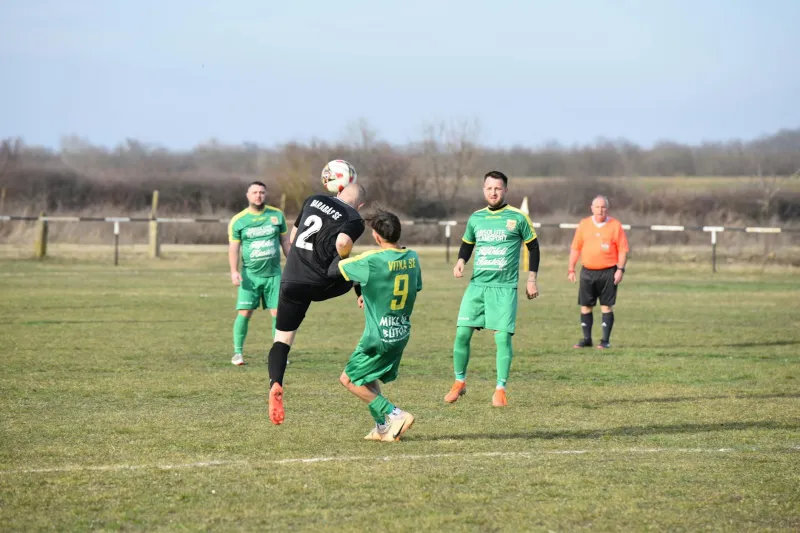
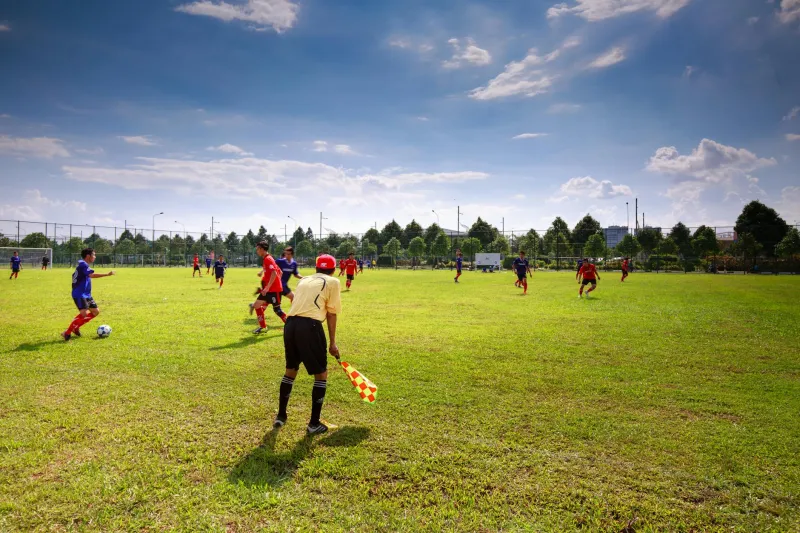
The alarm pierces the Saturday morning silence at 7am sharp. Across terraced houses in Manchester, suburban drives in Surrey, and stone cottages in the Scottish Borders, the same ritual begins. Kit bags are hastily packed, thermoses filled with steaming tea, and bleary-eyed families pile into cars for the weekly pilgrimage that defines British youth sport.
This is the dawn patrol—the army of parents, coaches, and young athletes who transform quiet Saturday mornings into bustling hubs of athletic ambition. From Hackney Marshes to the playing fields of Pembrokeshire, these early risers are quietly reshaping the landscape of youth sport development in ways that academy systems and elite programmes can only dream of achieving.
More Than Just a Game
Sarah Mitchell, a mother of two from Leeds, has been making the Saturday morning journey for eight years. "People think it's about football," she explains, watching her 12-year-old son warm up on a frost-covered pitch. "But it's really about community. These children are learning life skills that no classroom can teach."
The statistics support her observation. Research from Sport England reveals that children who participate in regular weekend sport are 40% more likely to maintain physical activity into adulthood. More significantly, they demonstrate improved academic performance, enhanced social skills, and greater resilience when facing challenges.
But the Saturday morning culture offers something deeper than measurable outcomes. It provides structure in an increasingly fragmented world, creating weekly touchstones that anchor families to their communities and children to healthy habits.
The Changing Face of Weekend Warriors
Tradition meets transformation on today's Saturday morning pitches. Where once fathers dominated the touchlines, increasingly diverse families now populate the sidelines. Single mothers juggle multiple children between different sports. Grandparents step in when parents work weekend shifts. International families blend their sporting heritage with British grassroots culture.
"The demographic has completely shifted in the past decade," observes Dave Thompson, who has coached youth football in Birmingham for 15 years. "We've got Polish families teaching us about technical skills, Nigerian parents bringing different approaches to athleticism, and working mothers who've become our most dedicated volunteers."
This cultural evolution hasn't been without challenges. Rising fuel costs mean some families now car-share to reach distant fixtures. Increasing housing costs have pushed families further from traditional sporting heartlands. Yet the community adapts, creating networks of support that often extend far beyond sport itself.
Digital Disruption and Physical Reality
The greatest threat to Saturday morning sport culture isn't financial—it's digital. Children who once begged their parents to sign them up for teams now require increasingly creative persuasion to leave their bedrooms. The instant gratification of gaming competes directly with the delayed rewards of sporting development.
"We're fighting for attention in ways we never had to before," admits Rachel Cooper, who runs a youth athletics club in Bristol. "But once they're here, once they feel that sense of achievement and belonging, they're hooked. The challenge is getting them here in the first place."
Progressive clubs are meeting this challenge head-on. Technology integration—from fitness tracking apps to social media celebration of achievements—helps bridge the gap between digital natives and physical activity. Some clubs now offer hybrid programmes that combine online coaching resources with traditional pitch-based training.
The Economics of Excellence
The financial architecture of Saturday morning sport reveals both its strength and vulnerability. Most clubs operate on shoestring budgets, relying on volunteer labour and community fundraising. Registration fees that seem modest—typically £30-50 per season—represent significant investments for many families, particularly those with multiple children.
Yet this economic model creates unexpected advantages. Children from diverse socioeconomic backgrounds train together, breaking down barriers that might exist in fee-paying academies. The financial constraints force creativity, leading to innovative training methods and stronger community bonds.
"Some of our best coaches are unemployed fathers who've found purpose in developing young talent," explains Mark Stevens, chairman of a youth football league in Newcastle. "They bring intensity and dedication that money can't buy."
Building Tomorrow's Foundation
The true value of Saturday morning sport lies not in producing the next England captain—though many will emerge from these grassroots ranks—but in creating a generation comfortable with physical challenge, social interaction, and collective endeavour.
Children learn to lose gracefully, win humbly, and support teammates unconditionally. They discover that improvement requires patience, that success demands sacrifice, and that individual brilliance means little without team cohesion. These lessons extend far beyond sporting contexts.
Preserving the Sacred
As British society grapples with childhood obesity, mental health challenges, and social fragmentation, the Saturday morning sporting ritual offers proven solutions. Yet it remains vulnerable to the same pressures affecting all community institutions: declining volunteerism, increasing commercialisation, and competition from individualised leisure activities.
Protecting this cultural treasure requires conscious effort from policymakers, educators, and families themselves. Local authorities must prioritise access to playing facilities. Schools should celebrate grassroots achievement alongside academic success. Most importantly, families must recognise that the Saturday morning alarm call represents an investment in their children's future that no amount of screen time can replicate.
The Weekly Miracle
Every Saturday morning across Britain, a small miracle occurs. Children who spend the week isolated by technology come together in shared physical endeavour. Families from different backgrounds unite in common purpose. Communities strengthen through collective investment in their youngest members.
This is more than sport—it's social architecture. The dawn patrol doesn't just develop athletes; it develops citizens. In an age of increasing division and digital isolation, the Saturday morning gathering represents something precious: proof that physical community still matters, that shared struggle still bonds, and that the simple act of showing up consistently can transform both individuals and society.
The revolution isn't televised, sponsored, or celebrated in national media. But every Saturday morning, it quietly reshapes Britain's sporting soul, one muddy pitch at a time.