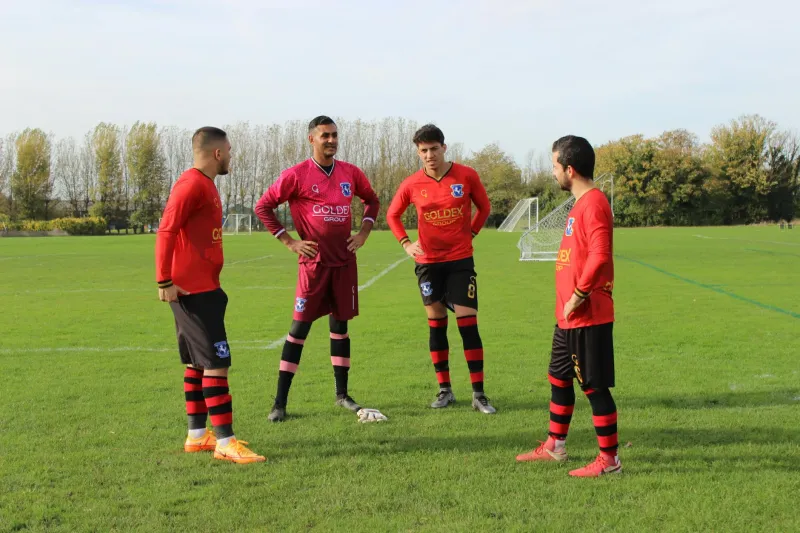
The Great Leveller: Technology Meets Grassroots Football
On a windswept Saturday morning in Middlesbrough, Dave Patterson adjusts a £40 heart rate monitor on twelve-year-old Jamie's chest before the lad joins his teammates for warm-ups. Five years ago, such technology would have been the exclusive domain of Premier League academies. Today, Patterson—a plumber by trade and volunteer coach by passion—uses data that would make professional sports scientists nod in approval.
This scene is replaying across Britain's football pitches, cricket grounds, and athletics tracks. The democratisation of sports science is quietly revolutionising how we develop young talent, breaking down barriers that have long separated elite academies from community clubs.
From Laboratory to Local Park
The transformation began with the smartphone revolution. Apps like MyLift for weightlifting analysis and Coach's Eye for video breakdown have placed sophisticated analytical tools in every coach's pocket. What once required expensive laboratory equipment and qualified sports scientists can now be achieved with devices most families already own.
"We're seeing grassroots coaches access the same fundamental principles that drive elite performance," explains Dr Sarah Mitchell, a sports scientist who has worked with both Manchester United's academy and local community clubs. "The tools have become accessible, but more importantly, the knowledge is filtering down through coaching courses and online resources."
This technological trickle-down effect is particularly evident in wearable technology. GPS tracking devices that cost thousands of pounds five years ago now have consumer alternatives available for under £100. Heart rate monitors, once the preserve of Olympic training centres, retail for the price of a decent pair of football boots.
The Volunteer Pioneers
At Thornaby FC's youth section, coach Linda Harrison has embraced this technological shift with remarkable results. A teaching assistant during the week, Harrison spends her weekends analysing running patterns and recovery rates of her under-16 girls' team.
"I started with a simple fitness tracker app," Harrison recalls. "Within six months, I could see patterns in the girls' performance that I'd never noticed before. Sarah was consistently tired after twenty minutes, but I thought it was attitude. The data showed her heart rate was spiking too early—she needed better aerobic conditioning."
Harrison's approach exemplifies the practical application of sports science at grassroots level. She doesn't need a degree in exercise physiology to understand that sustained high heart rates indicate poor fitness, or that asymmetrical movement patterns might lead to injury.
Overcoming the Knowledge Gap
The challenge for volunteer coaches lies not in accessing technology, but in interpreting the data meaningfully. Many have found innovative solutions through peer networks and online communities.
Tom Bradley, who coaches youth rugby in Cornwall, discovered biomechanics analysis through YouTube tutorials. "I watched university lectures online, joined coaching forums, and gradually built up my understanding. Now I can spot technique issues that might prevent injuries or improve performance."
The FA and other governing bodies have recognised this trend, incorporating basic sports science principles into grassroots coaching qualifications. The Level 1 coaching badge now includes modules on monitoring training load and understanding recovery—concepts that were postgraduate material a decade ago.
Budget-Conscious Innovation
Financial constraints remain the biggest hurdle for community clubs. However, creative coaches are finding ways to implement elite-level monitoring without elite-level budgets.
At Grimsby Town Community Trust, youth coordinator Mark Stevens uses a combination of free smartphone apps and shared equipment to monitor player development. "We invested in two GPS units that rotate between age groups. Combined with free heart rate apps and video analysis software, we're gathering data that helps us make better decisions about training and player welfare."
Stevens emphasises the importance of focusing on practical applications rather than comprehensive data collection. "We don't need to monitor everything—just the metrics that help us develop better athletes and prevent injuries."
The Impact on Player Development
The results speak for themselves. Clubs embracing data-driven approaches report improved player retention, reduced injury rates, and better identification of talent that might otherwise go unnoticed.
Jamie Thompson, now 16 and playing county-level football, credits his grassroots coach's use of performance monitoring with his development. "Coach Dave showed me my sprint times were improving but my endurance wasn't keeping up. We focused on that specifically, and it made a huge difference to my game."
This targeted approach to development is perhaps the most significant benefit of grassroots sports science adoption. Rather than generic training programmes, young athletes receive personalised guidance based on objective data.
Looking Forward: The Next Wave
As artificial intelligence and machine learning become more accessible, the next phase of this revolution is already emerging. Apps that can analyse technique automatically, predict injury risk, and suggest personalised training programmes are moving from research laboratories to app stores.
The challenge for organisations like The Shots Trust lies in supporting this transition while maintaining the human element that makes community sport special. Technology should enhance coaching intuition, not replace it.
Building Tomorrow's Infrastructure Today
The democratisation of sports science represents more than technological progress—it's a fundamental shift towards evidence-based youth development across all levels of British sport. When a volunteer coach in Burnley has access to the same analytical tools as a Premier League academy, talent identification becomes truly meritocratic.
This revolution requires support: training for coaches, investment in basic equipment, and recognition that data literacy is becoming as important as traditional coaching skills. The clubs and coaches embracing this change today are building the infrastructure for tomorrow's sporting success.
As Dave Patterson packs away his heart rate monitors after another Saturday morning session, he reflects on the transformation he's witnessed. "Five years ago, I coached on instinct and experience. Now I coach with evidence. The kids are fitter, fewer get injured, and we're spotting talent we might have missed. That's worth more than any trophy."