The Continental Divide
Every August, British youth football restarts with a familiar ritual. Players return from summer holidays carrying extra weight, having lost fitness, and needing weeks to rediscover their touch. Meanwhile, in Barcelona's La Masia, young players emerge from structured summer programmes having developed new technical skills, improved their physical conditioning, and advanced their tactical understanding.
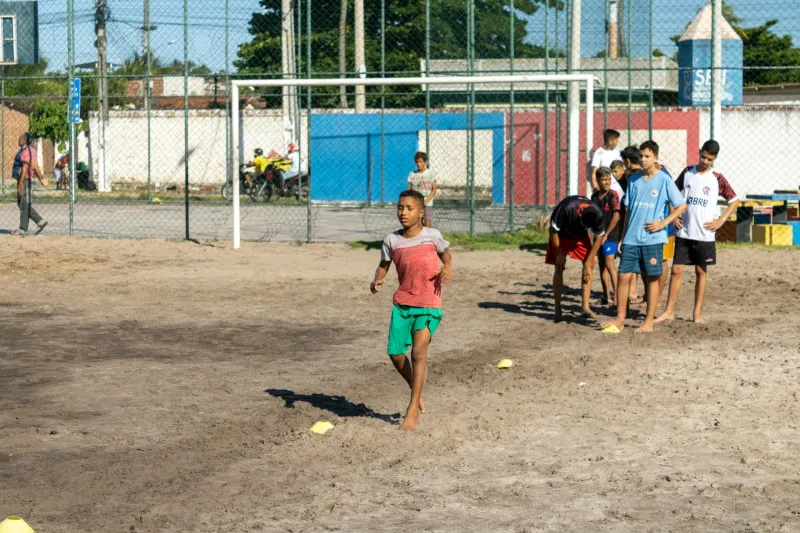
 Photo: La Masia, via playerscout.co.uk
This contrast isn't coincidental – it reflects fundamentally different philosophies about year-round development. While British youth football still operates on outdated seasonal models, leading international academies have embraced periodisation principles that align training with natural development windows and optimise long-term athlete progression.
The Science of Athletic Development
Human physiology doesn't recognise football seasons. Growth spurts, neurological development, and hormonal changes follow biological rather than sporting calendars. Research in exercise science has identified specific development windows when young athletes are particularly responsive to certain types of training.
The period between ages 11-14 represents a crucial window for developing coordination and technical skills. During adolescence, strength and power development becomes increasingly effective. These windows don't conveniently align with traditional football seasons, yet British youth development largely ignores these scientific insights.
Dr James Harrison, who has worked with several Championship academies, explains the implications: "We're essentially wasting months of optimal development time because we haven't aligned our training calendars with how young bodies actually develop. The biological calendar should drive the training calendar, not the other way around."
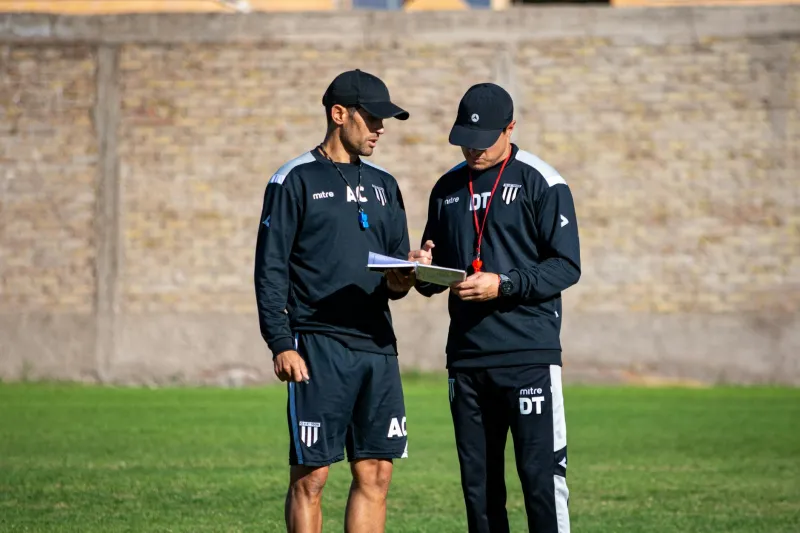
 Photo: Dr James Harrison, via www.drworkout.fitness
International Best Practice
Visit youth academies in Germany, Spain, or the Netherlands and you'll encounter sophisticated year-round planning that would seem alien to most British clubs. These systems divide the calendar into distinct phases, each with specific objectives aligned with both competitive requirements and developmental science.
Summer isn't viewed as 'off-season' but as a crucial development period when players can focus on technical refinement without competitive pressure. Autumn might emphasise tactical development as players return to structured competition. Winter could prioritise physical conditioning when weather limits technical work. Spring becomes about peak performance as important competitions approach.
This approach requires fundamental mindset shifts from players, parents, and coaches. Rest isn't eliminated – it's strategically planned. Development becomes continuous rather than seasonal. Most importantly, the system recognises that optimal performance at youth level isn't the primary objective; optimal development is.
The British Resistance
Why has British football resisted these approaches? Cultural factors play a significant role. Our sporting culture emphasises seasonal sports with clear on and off periods. Cricket stops for winter, rugby has defined seasons, and football traditionally followed suit.
Parental expectations also create barriers. Many families view summer as holiday time, resisting structured sporting commitments. The perception that young athletes need complete breaks from their sport remains strong, despite evidence that strategic cross-training and technical development can be more beneficial than complete inactivity.
Financial constraints compound the problem. Many clubs lack resources for year-round programming, while parents face additional costs for summer development opportunities. This creates inequality where only affluent families can access optimal development pathways.
Reimagining the British Approach
Transformation doesn't require copying continental models wholesale. British youth football can develop periodisation approaches that respect cultural preferences while optimising development outcomes.
Summer programmes needn't be intensive daily training. Strategic technical sessions twice weekly, combined with cross-training activities and structured rest periods, can maintain and develop skills while preserving family holiday traditions.
The key lies in planning. Rather than viewing summer as a break from football, clubs should frame it as a different type of football development. Technical skills can be refined when competitive pressure is reduced. Physical literacy can be developed through varied activities. Tactical understanding can advance through small-sided games and position-specific work.
Physical Development Windows
Periodisation allows clubs to align physical development with biological readiness. Pre-adolescent players might focus on movement skills and coordination during summer months. Adolescent athletes could emphasise strength development when their bodies are most responsive to such training.
This scientific approach contrasts sharply with traditional British methods where physical development often occurs randomly based on seasonal requirements rather than developmental readiness.
Crucially, periodised approaches reduce injury risk by avoiding sudden spikes in training load when seasons restart. Gradual progressions throughout the year create more robust athletes capable of handling competitive demands.
Technical Refinement Opportunities
Summer's reduced competitive pressure creates ideal conditions for technical development. Players can experiment with new skills without fear of making mistakes that cost matches. Ball mastery, first touch, and passing accuracy can all improve when development isn't constrained by immediate performance requirements.
Many British players reach 16-18 years old with technical limitations that could have been addressed during earlier summer periods. Continental players often demonstrate superior ball mastery partly because they've had more structured technical development time.
Cross-Training Benefits
Periodised approaches embrace cross-training as a development tool rather than viewing other sports as distractions from football. Tennis can improve hand-eye coordination and reaction times. Swimming develops cardiovascular fitness and core strength. Basketball enhances spatial awareness and decision-making under pressure.
These activities provide physical and mental refreshment while developing attributes that transfer to football performance. They also reduce overuse injury risk by varying movement patterns and loading different muscle groups.
Implementation Strategies
Successful periodisation requires buy-in from all stakeholders. Clubs must educate parents about the benefits of year-round development while addressing concerns about burnout and family time.
Flexible programming becomes essential. Not every player needs identical summer programmes. Individual development plans should consider biological age, skill level, and family circumstances while maintaining core developmental objectives.
Partnership opportunities can reduce costs and increase accessibility. Collaboration with local sports centres, schools, or other clubs can provide varied training environments and shared expertise.
The Long-Term Vision
Transforming British youth football's approach to annual planning won't happen overnight. It requires cultural change, educational initiatives, and sustained commitment from clubs at every level.
However, the potential benefits extend far beyond football performance. Young athletes who understand periodisation principles develop better self-regulation skills, improved body awareness, and more sophisticated approaches to goal-setting and achievement.
As British football faces increasing international competition for young talent, optimising our development systems becomes crucial. Periodisation represents one area where evidence-based improvements can provide significant competitive advantages.
The question isn't whether British youth football should embrace periodisation principles – it's whether we'll implement these changes quickly enough to benefit current generations of young players. Our sporting future may depend on how we answer that challenge.