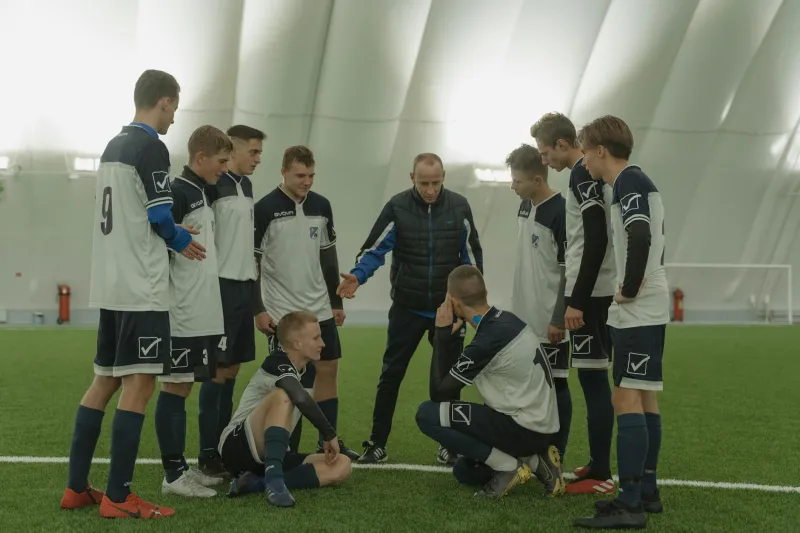
In the unforgiving arena of competitive youth sport, technical ability and physical prowess have long been considered the primary determinants of success. Yet emerging research from British sports science institutions reveals a more complex truth: the athletes who ultimately reach elite levels are distinguished not merely by their physical capabilities, but by their psychological resilience, adaptability, and mental fortitude.
This revelation is transforming how progressive coaching programmes across the United Kingdom approach youth development, with mental conditioning becoming as fundamental as fitness training or skill acquisition.
The Science of Mental Resilience
Recent studies conducted at Loughborough University and the University of Bath have provided compelling evidence for prioritising psychological development in young athletes. Dr. Amanda Foster, a leading sports psychologist whose research focuses on youth development, explains: "We've discovered that athletes who receive structured mental skills training before age fourteen show significantly higher retention rates in their sports and achieve measurably better performance outcomes throughout their careers."
The research indicates that psychological interventions during formative years create neural pathways that enhance an athlete's ability to cope with pressure, recover from setbacks, and maintain motivation during challenging periods. These mental frameworks become increasingly difficult to develop as athletes mature, making early intervention crucial.
British Sport Institute data suggests that approximately seventy percent of technically gifted young athletes discontinue their sports before reaching senior level, with psychological factors—rather than physical limitations—cited as the primary reason for withdrawal. This statistic has prompted a fundamental reassessment of youth coaching methodologies across the country.
Practical Applications in Youth Coaching
Progressive coaching programmes are integrating psychological skill development into routine training sessions rather than treating it as supplementary content. This integration takes various forms, each designed to build specific mental competencies while maintaining the enjoyment and engagement essential for young participants.
Visualisation and Mental Rehearsal
Coaches are teaching athletes as young as eight to mentally rehearse successful performances, helping them develop confidence and familiarity with competitive scenarios. These techniques prove particularly effective for managing pre-competition anxiety and enhancing focus during crucial moments.
Mark Thompson, head coach at a prominent youth athletics programme in Birmingham, incorporates guided visualisation into his weekly sessions. "We spend ten minutes each session having the athletes mentally walk through their events," he explains. "They visualise not just perfect performances, but also how they'll respond when things don't go according to plan."
Goal-Setting Frameworks
Structured goal-setting programmes help young athletes develop intrinsic motivation and maintain long-term commitment. Effective programmes distinguish between outcome goals (winning competitions), performance goals (achieving personal bests), and process goals (improving specific techniques), teaching athletes to focus primarily on elements within their control.
Research from Manchester Metropolitan University demonstrates that young athletes who engage with comprehensive goal-setting programmes show increased persistence, improved self-regulation, and enhanced satisfaction with their sporting experiences.
Emotional Regulation Training
Perhaps most crucially, modern programmes teach young athletes to recognise, understand, and manage their emotional responses to both success and failure. This emotional intelligence becomes fundamental to long-term athletic development and broader life success.
The Growth Mindset Revolution
Carol Dweck's research on growth mindset has found particular resonance within British youth sports coaching. The concept—that abilities can be developed through dedication and hard work rather than being fixed traits—directly contradicts traditional talent identification approaches that label young athletes as either "gifted" or "ordinary."
Jenny Matthews, a coach educator who works with community sports trusts across Scotland, has witnessed the transformative impact of growth mindset principles. "When we stopped telling kids they were 'naturally talented' and started praising their effort and improvement strategies, everything changed. Athletes who previously gave up after setbacks began viewing challenges as opportunities to grow."
This philosophical shift requires coaches to fundamentally alter their communication patterns. Praise focuses on process rather than outcome, setbacks are reframed as learning opportunities, and effort receives recognition regardless of immediate results. The approach creates psychologically safe environments where young athletes feel comfortable taking risks and pushing their boundaries.
Building Resilience Through Controlled Adversity
Contemporary coaching wisdom recognises that resilience cannot be taught through instruction alone—it must be developed through experience. Progressive programmes deliberately introduce controlled challenges that allow young athletes to practice overcoming obstacles in supportive environments.
These challenges might include training in adverse weather conditions, competing against stronger opponents, or managing equipment failures during practice sessions. The key lies in ensuring challenges remain within the athlete's capacity to overcome while providing adequate support and debriefing opportunities.
Dr. James Richardson, who specialises in youth resilience development at Leeds Beckett University, emphasises the importance of graduated exposure. "We're not trying to break these young athletes down," he clarifies. "We're providing them with manageable challenges that build their confidence in their ability to persevere through difficulties."
The Social Dimension
Psychological development in youth sport occurs within social contexts, making peer relationships and team dynamics crucial considerations. Effective programmes foster supportive team cultures where athletes celebrate each other's progress and provide mutual encouragement during challenging periods.
Team-building activities, peer mentoring programmes, and collaborative goal-setting sessions create environments where psychological skills develop naturally through social interaction. Young athletes learn that seeking help demonstrates strength rather than weakness, and that supporting teammates enhances rather than diminishes their own prospects.
Long-term Impact Beyond Sport
While the immediate focus remains on athletic development, the psychological skills acquired through comprehensive youth programmes transfer readily to academic, professional, and personal contexts. Young athletes who develop strong mental skills often demonstrate enhanced academic performance, improved social relationships, and greater life satisfaction.
This broader impact provides additional justification for investing in psychological development programmes, particularly for community-based organisations serving diverse populations. The skills that help a young footballer cope with a missed penalty often prove equally valuable when facing academic challenges or career setbacks years later.
Implementation Challenges
Despite growing recognition of psychological skill development's importance, implementation challenges persist. Many volunteer coaches lack the training necessary to deliver effective mental skills programmes, while resource constraints limit access to qualified sports psychology professionals.
However, innovative solutions are emerging. Online training platforms provide accessible education for coaches, while simplified psychological skill frameworks make implementation more manageable for non-specialists. Partnerships between community programmes and academic institutions create opportunities for research-informed practice development.
The Path Forward
As British youth sport continues evolving, psychological skill development appears destined to become increasingly central to coaching practice. The evidence supporting early mental skills training continues strengthening, while practical implementation methods become more sophisticated and accessible.
For organisations committed to comprehensive youth development, the message is clear: building tomorrow's champions requires attention to both physical and psychological development from the earliest stages of athletic participation. The athletes who will excel in future sporting arenas are those who combine technical proficiency with mental resilience, emotional intelligence, and unwavering determination.
The transformation of British youth sport coaching represents more than a methodological shift—it reflects a deeper understanding of human potential and the factors that enable young people to achieve their aspirations both within and beyond sport. In recognising the mind's crucial role in athletic achievement, we create opportunities for more young athletes to reach their full potential while developing life skills that serve them throughout their journeys.