Beyond the Armband: Redefining Leadership in Britain's Youth Football Culture

The Armband Obsession
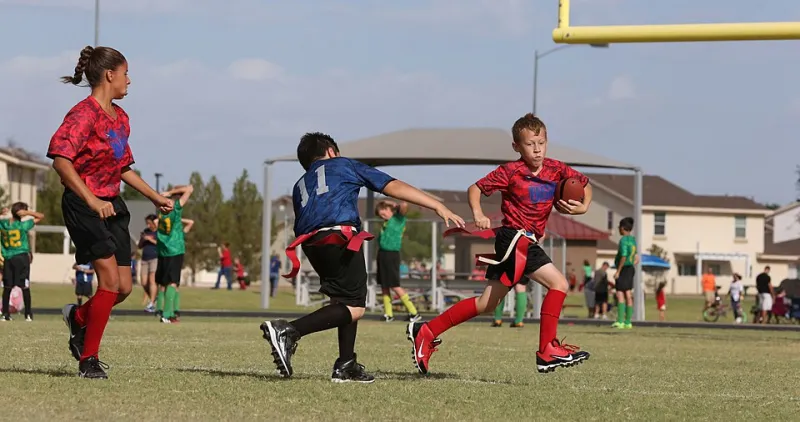
Walk past any youth football pitch in Britain on a weekend morning, and you'll witness a ritual as predictable as the post-match orange slices. Coaches scanning their squads, seeking that magical combination of vocal presence and technical ability to bestow the captain's armband upon. Yet this time-honoured tradition may be systematically overlooking the very qualities that define effective leadership at senior level.
The captain's armband has become British youth football's most coveted symbol, yet our selection criteria remain stubbornly rooted in outdated assumptions. We celebrate the players who shout loudest, demonstrate the most obvious skills, or simply happen to be physically mature beyond their years. Meanwhile, the empathetic communicators, pressure-absorbing personalities, and quiet influencers who often determine team success at elite level remain invisible to traditional coaching eyes.
The Myth of the Vocal Leader
Premier League analysis reveals a startling truth: the most successful team captains rarely fit the stereotype of the commanding, vocally dominant leader. Players like N'Golo Kanté and Jordan Henderson built their leadership credentials through consistent example-setting, emotional intelligence, and the ability to elevate teammates' performance through subtle influence rather than dramatic speeches.
 Photo: Jordan Henderson, via brobible.com
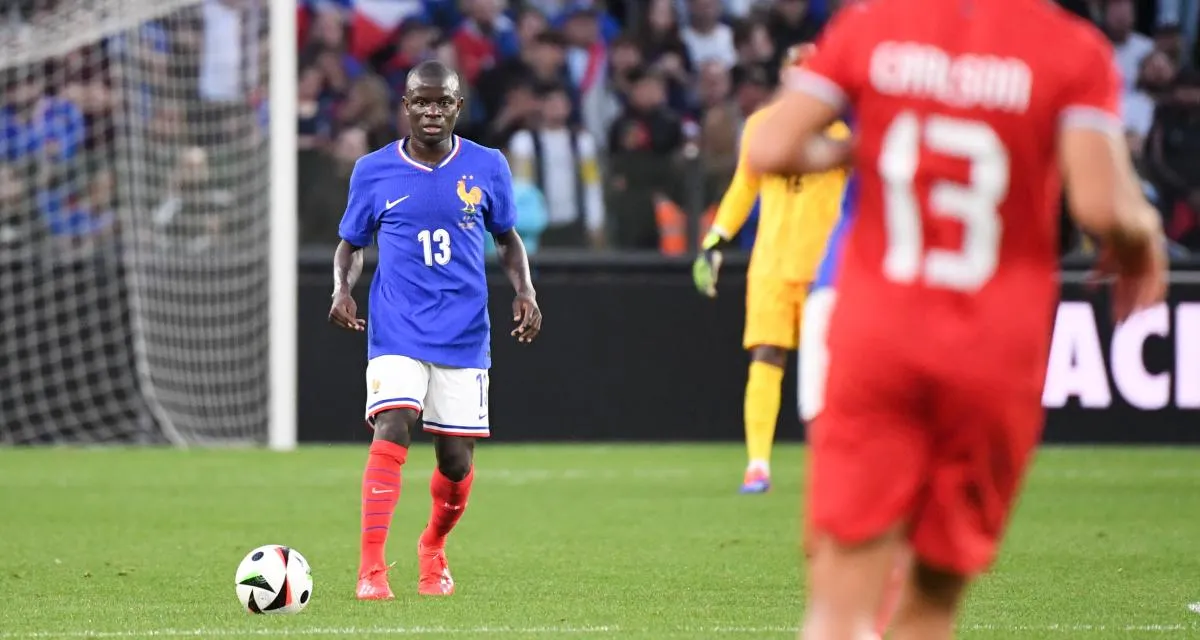 Photo: N'Golo Kanté, via static.onzemondial.com
Yet British youth football remains obsessed with volume over substance. "We're teaching young players that leadership equals noise," observes Dr. Amanda Foster, a sports psychologist working with Championship academy systems. "The quiet player who notices a struggling teammate, offers encouragement during difficult moments, or maintains composure under pressure gets overlooked because they don't fit our theatrical leadership model."
This bias creates a damaging cycle. Naturally introverted players with exceptional leadership qualities learn to suppress their authentic leadership style, while extroverted personalities receive validation for behaviours that may actually undermine team cohesion.
The Rotation Revolution
Forward-thinking coaches across Britain are beginning to embrace leadership rotation systems that challenge conventional wisdom. Rather than appointing a season-long captain, these innovators distribute leadership responsibilities across entire squads, creating opportunities for different personality types to demonstrate their unique strengths.
At Manchester City's academy, youth coaches implement what they term "situational leadership" – different players wear the armband for different types of matches or training scenarios. The technically gifted playmaker might captain during possession-focused sessions, while the emotionally intelligent defender leads during high-pressure tournament matches.
 Photo: Manchester City, via wallpapers.com
"We discovered that our most effective leaders weren't necessarily our most obvious choices," explains academy coach Michael Roberts. "The player who kept team morale high during a difficult losing streak proved far more valuable than the one who scored spectacular goals but disappeared when results went against us."
Understanding Leadership Styles
Modern sports psychology recognises multiple leadership archetypes, each valuable in different contexts. The traditional "commanding" leader represents just one option among many equally effective styles.
The Servant Leader focuses on elevating teammates' performance, often working behind the scenes to resolve conflicts and maintain squad harmony. These players rarely seek spotlight but consistently create conditions for team success.
The Leading by Example captain demonstrates standards through consistent behaviour rather than vocal instruction. Their reliability and work ethic inspire teammates to raise their own performance levels.
The Emotional Intelligence Leader reads team dynamics expertly, knowing when to offer encouragement, when to apply pressure, and when to provide space. They excel at managing different personalities within squad environments.
The Tactical Leader understands game situations deeply, making strategic decisions and helping teammates adapt to changing circumstances during matches.
British youth football's traditional approach typically only recognises and rewards the first category, missing the rich leadership potential present in every squad.
Developing Leadership Ecosystems
The most successful youth development programmes are abandoning the single-captain model in favour of leadership ecosystems. These systems recognise that different situations require different leadership approaches, and that developing multiple leaders within a squad creates resilience and adaptability.
At Brighton's academy, coaches assign specific leadership roles rather than generic captaincy. One player might be designated "training intensity leader," responsible for maintaining standards during practice sessions. Another becomes "tactical communication leader," helping teammates understand positional requirements. A third assumes "welfare leader" responsibilities, monitoring squad morale and addressing interpersonal issues.
"We're not diluting leadership; we're enriching it," explains academy director Sarah Williams. "Every player understands they have leadership responsibilities, just in different areas. This creates a culture where leadership becomes everyone's business, not just the captain's burden."
The Pressure Problem
Traditional captaincy often places enormous pressure on young shoulders, potentially damaging both individual development and team dynamics. Sixteen-year-olds carrying the weight of team success can develop anxiety, perfectionism, and fear of failure that undermines their natural game.
Distributed leadership models reduce this pressure while creating more learning opportunities. Players experience leadership in low-stakes environments, building confidence and skills gradually rather than being thrust into high-pressure situations unprepared.
Practical Implementation
Transitioning from traditional captaincy requires careful planning and clear communication with players, parents, and club officials who may resist change.
Successful programmes begin with education, helping stakeholders understand the limitations of conventional approaches and the benefits of leadership development for all players. They introduce rotation gradually, perhaps starting with training sessions before extending to match situations.
Most importantly, they maintain clear criteria for leadership selection that emphasise character, emotional intelligence, and positive influence rather than technical ability or vocal presence alone.
The Future of Youth Leadership
British football's future success may depend on our willingness to evolve beyond traditional leadership models. By recognising and developing the full spectrum of leadership styles present in every youth squad, we can prepare players not just for football success, but for leadership roles throughout their lives.
The captain's armband will always hold symbolic value, but its true power lies not in who wears it, but in how we use it to develop the leaders our sport desperately needs.