The Last Line of Defence Becomes the First Line of Development
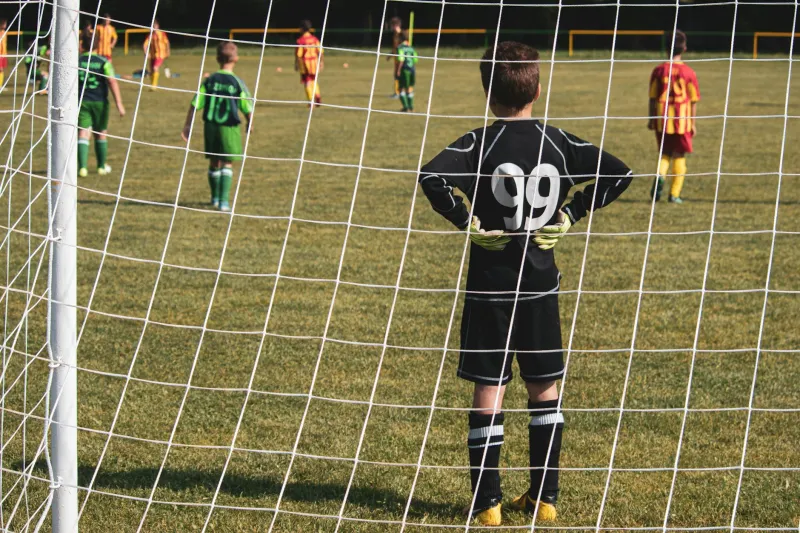
In the shadow of glamorous outfield positions, a quiet revolution is taking place across Britain's grassroots football pitches. While young strikers dream of glory and midfielders orchestrate play, it's the solitary figure between the posts who may hold the secret to developing the most mentally robust athletes of their generation.
The Shots Trust has observed a remarkable trend emerging from specialist goalkeeper development programmes nationwide: young keepers are demonstrating psychological resilience and leadership qualities that extend far beyond the football pitch. This isn't coincidence—it's the natural result of a position that demands unique mental fortitude from the earliest stages.
The Psychological Crucible
Consider the mental landscape a young goalkeeper navigates during a typical match. Every mistake is magnified, every save scrutinised, and every decision carries the weight of the team's fortunes. Unlike outfield players who can recover from errors or fade into anonymity during poor performances, goalkeepers operate under constant scrutiny.
"The goalkeeper position is fundamentally different from any other role in team sport," explains Dr Sarah Mitchell, a sports psychologist working with youth academies across the Midlands. "These young athletes learn to process pressure, make split-second decisions, and bounce back from setbacks in ways that create exceptional mental resilience."
This psychological pressure cooker produces athletes who understand accountability from an early age. When a striker misses a chance, the game continues. When a goalkeeper makes an error, the scoreboard changes immediately. This stark reality teaches young keepers to develop coping mechanisms that serve them throughout their athletic careers and beyond.
Leadership from the Back
The goalkeeper's unique vantage point naturally develops communication and leadership skills. They see the entire pitch, directing teammates and organising defensive structures. For young athletes, this responsibility cultivates confidence and decision-making abilities that translate directly into academic and professional environments.
Mark Thompson, head of goalkeeper development at a prominent Yorkshire grassroots club, has witnessed this transformation firsthand: "We've had former keepers excel in university leadership roles, secure management positions straight from school, and demonstrate problem-solving skills that set them apart from their peers. The position teaches them to be comfortable with responsibility."
This leadership development occurs organically through the demands of the position. Young goalkeepers learn to project confidence even when feeling uncertain, communicate clearly under pressure, and make decisive choices when hesitation could prove costly.
The Technical Foundation
Beyond psychological benefits, specialist goalkeeper training develops a unique combination of physical and technical skills. The position demands exceptional hand-eye coordination, spatial awareness, and reaction times. These attributes, when properly developed through structured programmes, create athletes with remarkable versatility.
Modern goalkeeper training incorporates elements from multiple sports disciplines. Young keepers practice basketball-style catching drills, volleyball-inspired diving techniques, and gymnastic movements for flexibility and core strength. This cross-training approach produces well-rounded athletes capable of excelling across various sporting contexts.
The Grassroots Revolution
Across Britain, grassroots clubs are beginning to recognise the untapped potential within their goalkeeper development programmes. Rather than treating the position as an afterthought, progressive clubs are investing in specialist coaching and creating pathways that celebrate the unique attributes goalkeepers develop.
The shift represents more than tactical evolution—it's a fundamental reimagining of how youth sport can develop character alongside technique. Clubs implementing comprehensive goalkeeper programmes report improved retention rates and stronger overall team culture.
Breaking the Stereotype
Historically, British football culture has marginalised goalkeepers, often relegating the least athletic children to the position. This approach wastes tremendous developmental potential and perpetuates misconceptions about the role's importance in youth sport.
Progressive coaching approaches now identify children with specific attributes suited to goalkeeping: quick reflexes, strong communication skills, and natural leadership tendencies. When properly nurtured, these young athletes develop into confident, resilient individuals who carry their skills far beyond the football pitch.
The Wider Impact
The implications extend beyond individual development. Teams with well-trained, confident goalkeepers demonstrate improved collective resilience and better crisis management. The keeper's calm presence influences the entire squad's approach to pressure situations.
This psychological stability creates a foundation for sustained success in youth sport, where mental preparation often determines outcomes more than technical ability alone. Young teams learn to trust their defensive foundation, enabling more adventurous and creative play throughout the squad.
Looking Forward
As British youth sport continues evolving, the goalkeeper position offers a unique lens through which to examine character development. The psychological demands, leadership requirements, and technical challenges combine to create an unparalleled developmental environment.
The Shots Trust believes that recognising and investing in goalkeeper development represents more than tactical innovation—it's an opportunity to reshape how we approach youth athletic development entirely. By celebrating the unique attributes this position develops, we can better prepare young athletes for success both within sport and throughout their lives.
The revolution is already underway. Britain's grassroots clubs need only embrace what their goalkeepers have been quietly demonstrating all along: that the most overlooked position on the pitch may be the key to unlocking every young athlete's full potential.